Maya find at Balam Kú: stucco beneath a ball court
INAH documents an unexplored area with clues about mobility in the Maya Lowlands.
In the Campeche jungle, INAH archaeologists found decorated remains beneath a ball court that help explain how the ancient Maya moved around.
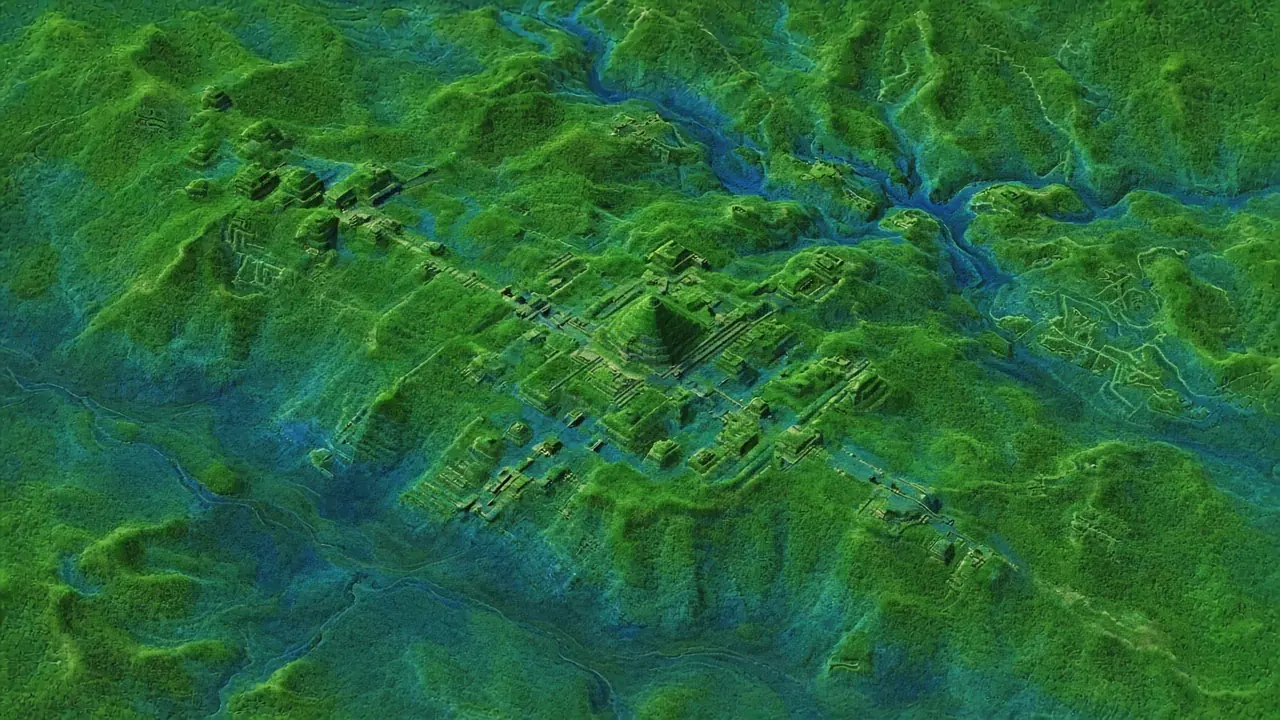
Mexico's National Institute of Anthropology and History (INAH) reported on work in an unexplored area around Balam Kú, in the central Maya Lowlands. Using LiDAR technology, which fires lasers from the air to see through vegetation, hidden structures were identified in the area.
Among the finds is a stucco element located beneath a ball court, dated to the Early Classic period, between AD 200 and 600. A pyramid about 16 meters tall was also recorded in the area.
According to INAH, these data provide clues about human movement in the region, that is, how Maya populations settled, moved and connected their cities over time.
According to INAH bulletin 361, dated June 24, 2024, the survey was carried out in the Balam Kú Biosphere Reserve, in Campeche, in an area between the Los Chenes and Conhuás regions. LiDAR and fieldwork identified mostly modest settlements. In one of them, with a ball court, a probable substructure with stucco and traces of paint was found.
Key facts
- Early Classic stucco (AD 200-600).
- Area surveyed with LiDAR around Balam Kú.
- Pyramid about 16 meters tall.
- Information released in an INAH bulletin.
Upcoming field seasons will seek to pin down the chronology and function of these structures.
Futurismo newsletter
Get the most futuristic stories in your inbox. Free.
By subscribing you agree to receive emails from Futurismo and our privacy policy. Unsubscribe anytime.Related stories

Neo1: the giant humanoid robot for dangerous jobs
It stands 4 meters tall, weighs 1.2 tonnes and was designed for ports, mines and nuclear plants.
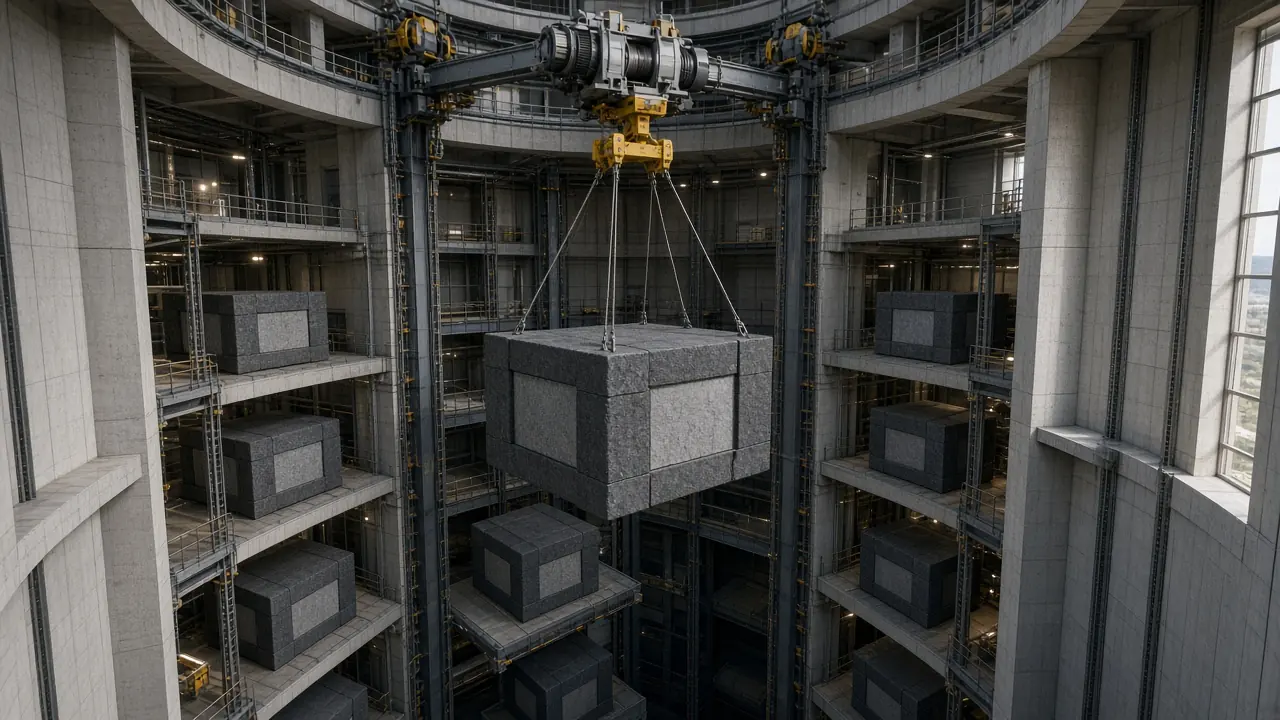
Skyscrapers that work as gravity batteries
Energy Vault and SOM propose storing energy by raising and lowering weights inside towers.
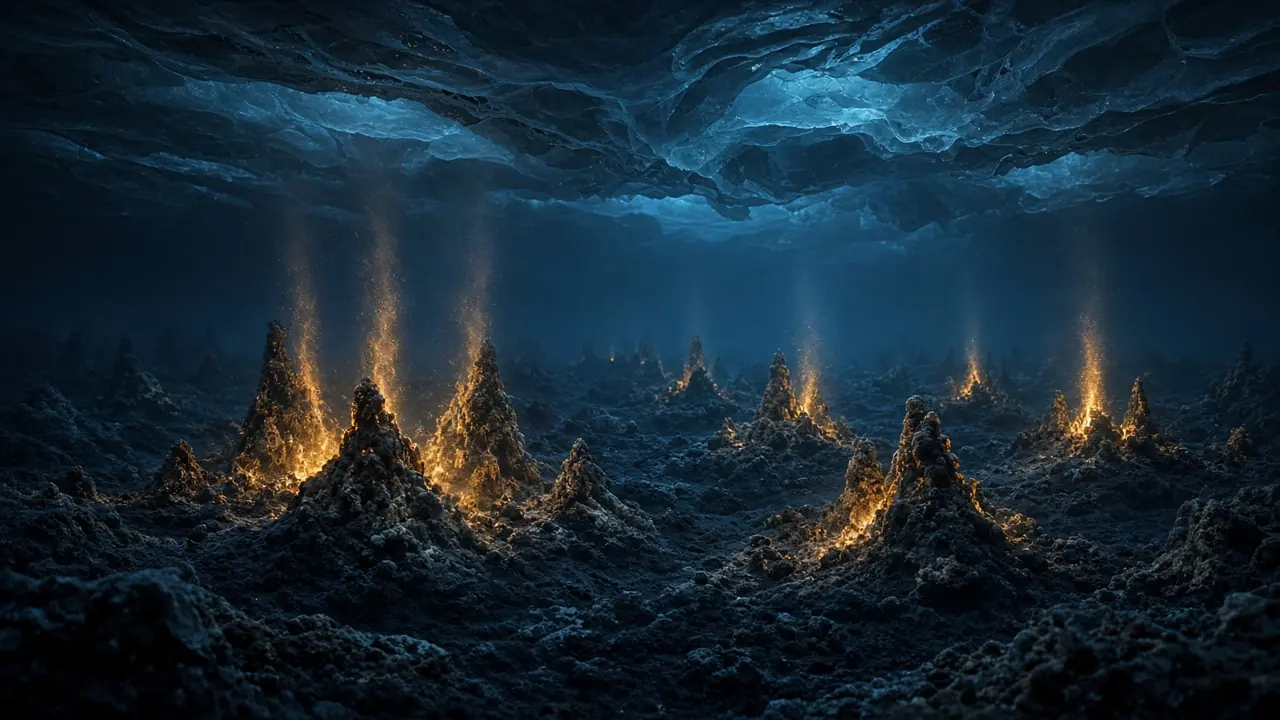
Europa's oceans could host long-lived hydrothermal vents
A model shows seafloor heat could last billions of years.

Scientists create a supersolid of light and matter at room temperature
A quantum state that flows like a liquid and orders itself like a crystal, with no need for extreme cold.