Latest science and technology news
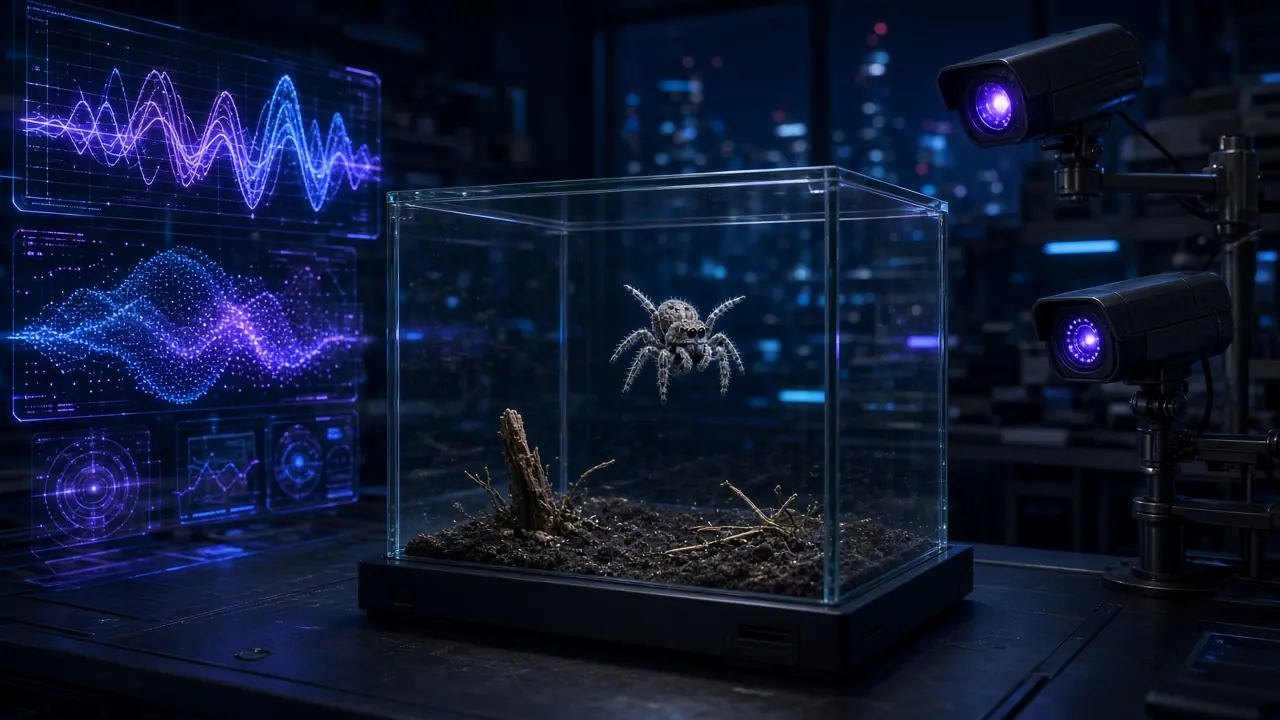
Jumping spiders may dream like we do
A study finds in these spiders a sleep phase similar to REM, the stage of vivid dreams.
An AI-agent lab that runs DNA experiments on its own
AutoDNA, in Shanghai, designs and executes molecular experiments with minimal human intervention.
Scientists confirm a third type of magnetism
Altermagnetism combines antiferromagnet-like stability with spin currents useful for electronics.
An algorithm uncovers a hidden planet in JWST data
FLIP boosts sensitivity up to 15 times by removing star glare and recovers 51 Eridani b.
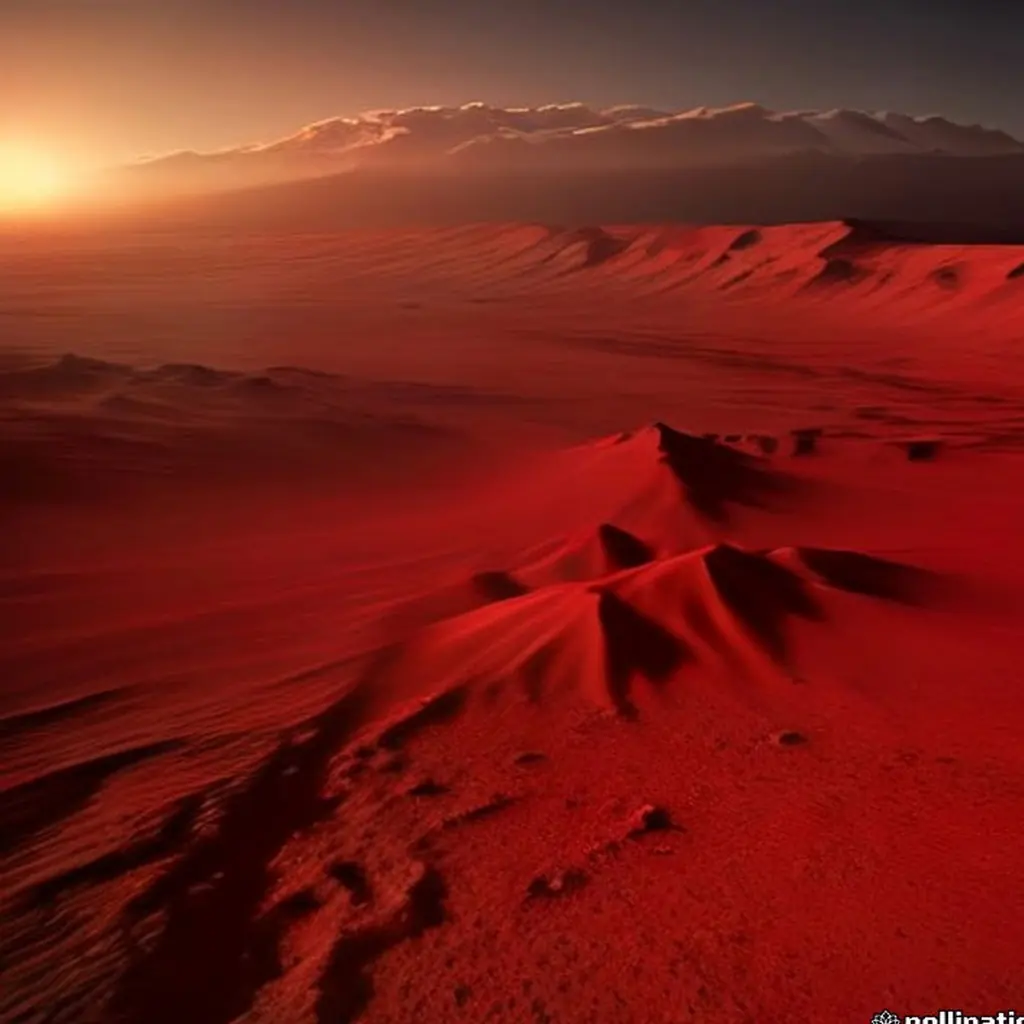
Mars is not dead: a giant volcano is still exhaling gas
The Trace Gas Orbiter detects hydrogen chloride over Alba Mons, a sign of ongoing igneous processes.
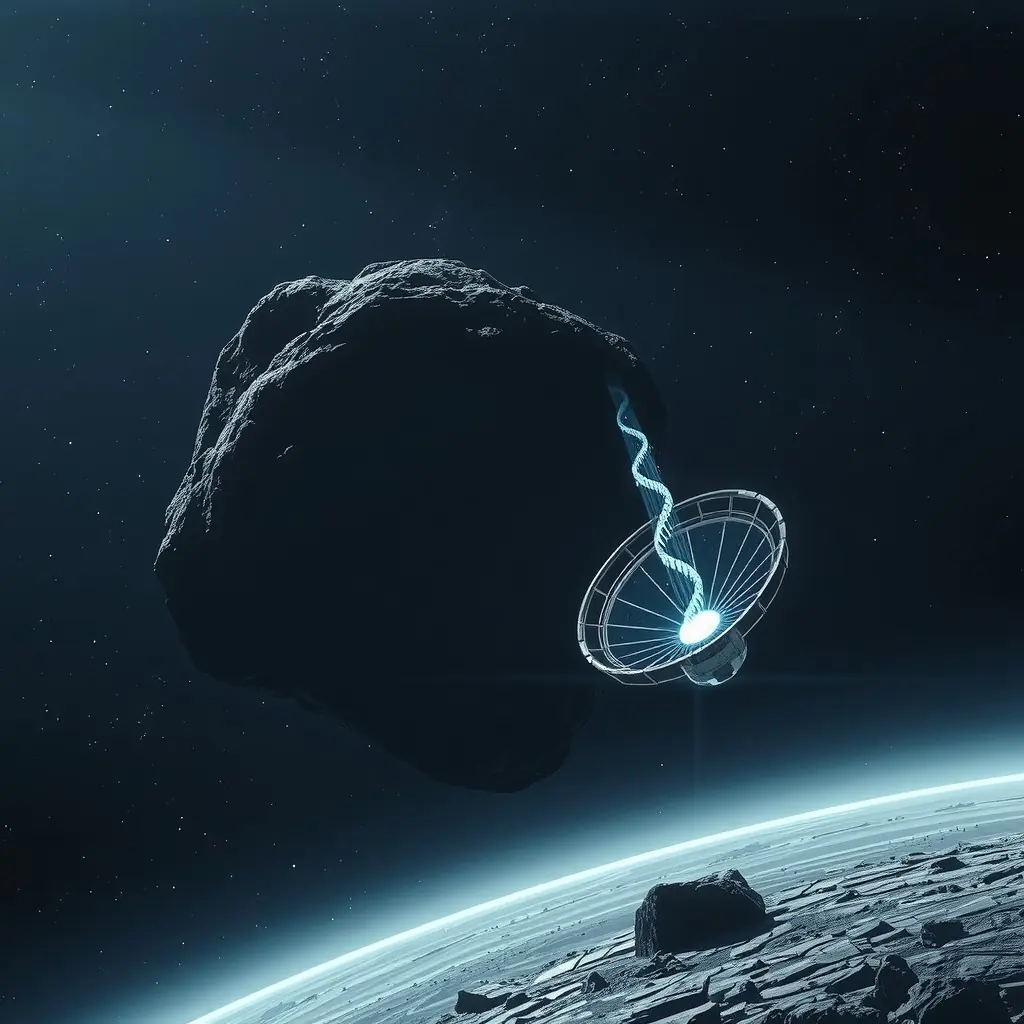
The five letters of the genetic code were on asteroid Ryugu
Samples brought back by Japan's Hayabusa2 mission contain all five bases of DNA and RNA.
Scientists create a supersolid of light and matter at room temperature
A quantum state that flows like a liquid and orders itself like a crystal, with no need for extreme cold.
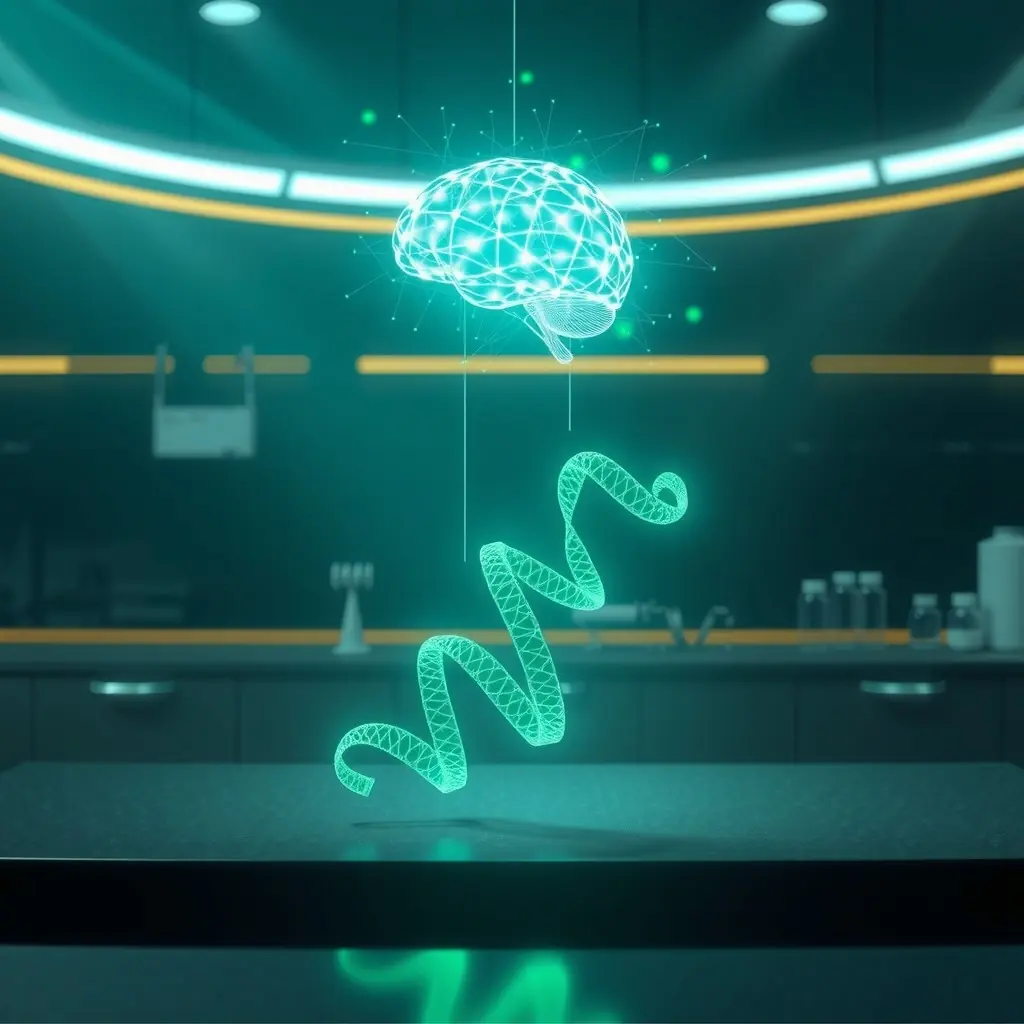
An AI designs proteins from a simple text description
The Pinal model turns a sentence into a candidate protein, although its hit rate is still uneven.
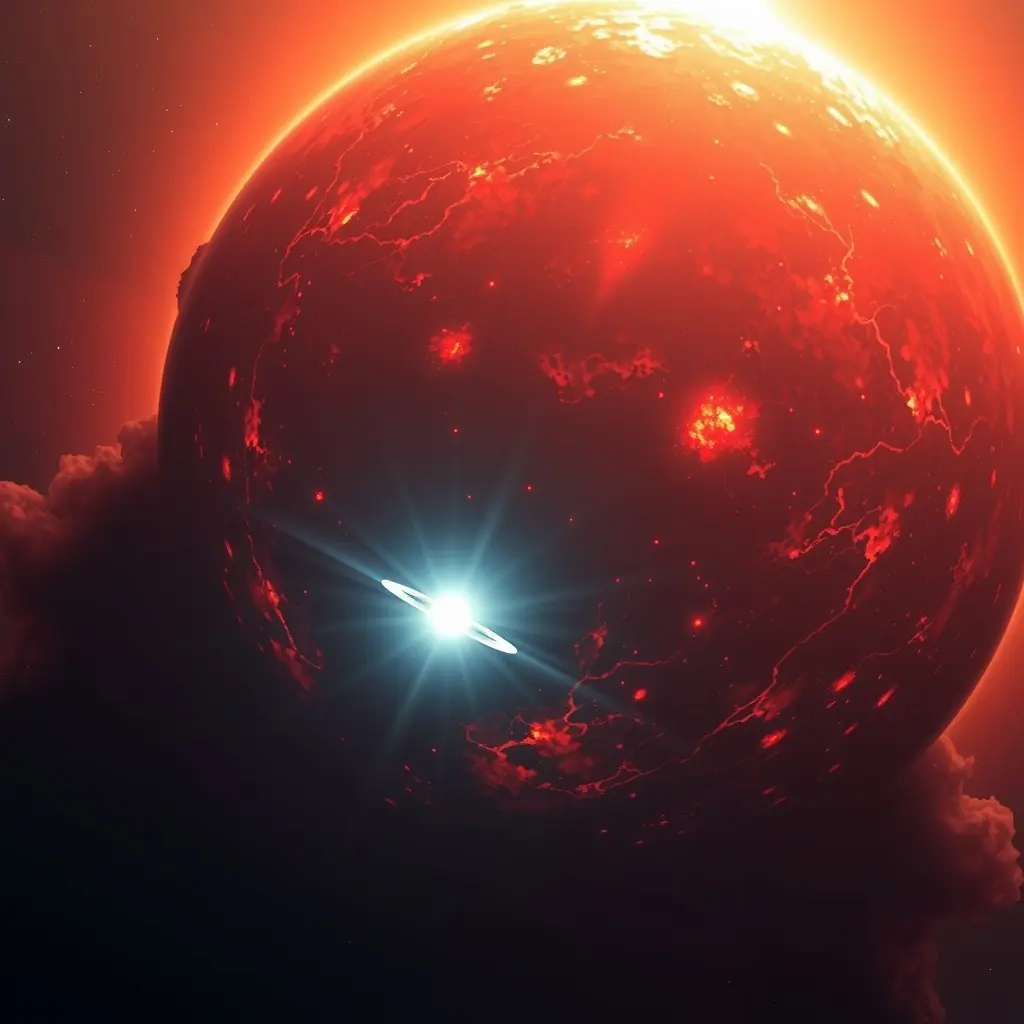
A hidden star is plowing through Betelgeuse's atmosphere
Radio telescopes detect that a companion called Siwarha is distorting the red supergiant's atmosphere.
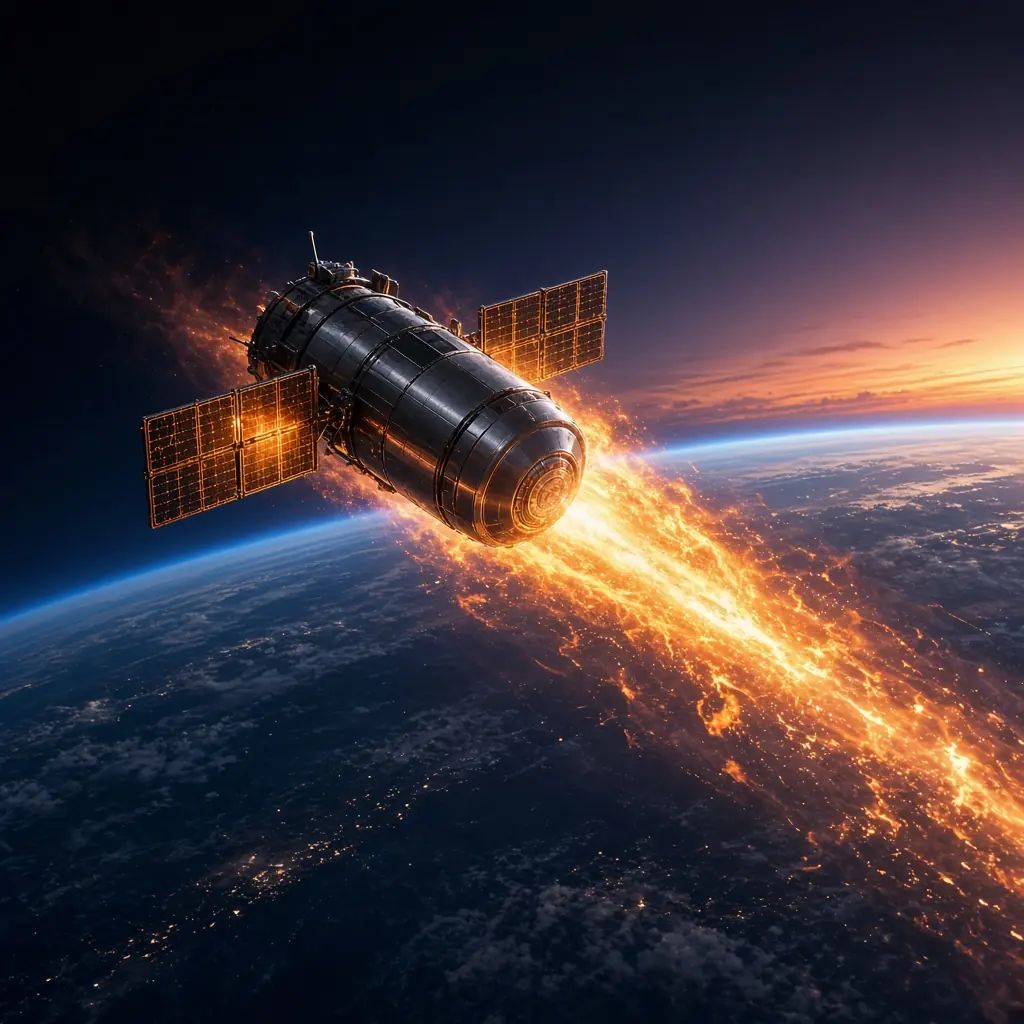
The Swift telescope will fall to Earth after a failed rescue
After almost 22 years hunting cosmic explosions, the NASA observatory is reentering the atmosphere uncontrolled.
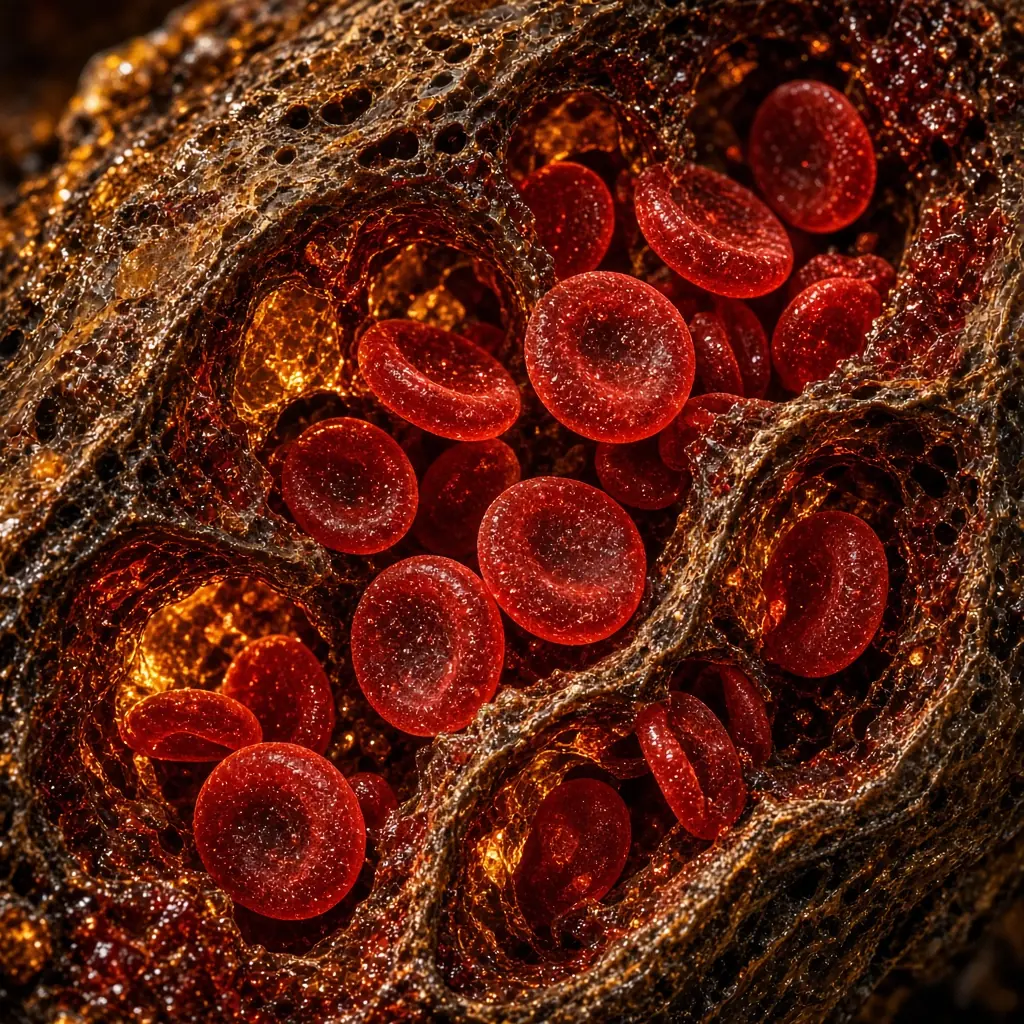
Traces of blood found in a 115-million-year-old dinosaur
A fossil from Brazil preserves structures that look like red blood cells with remnants of heme.
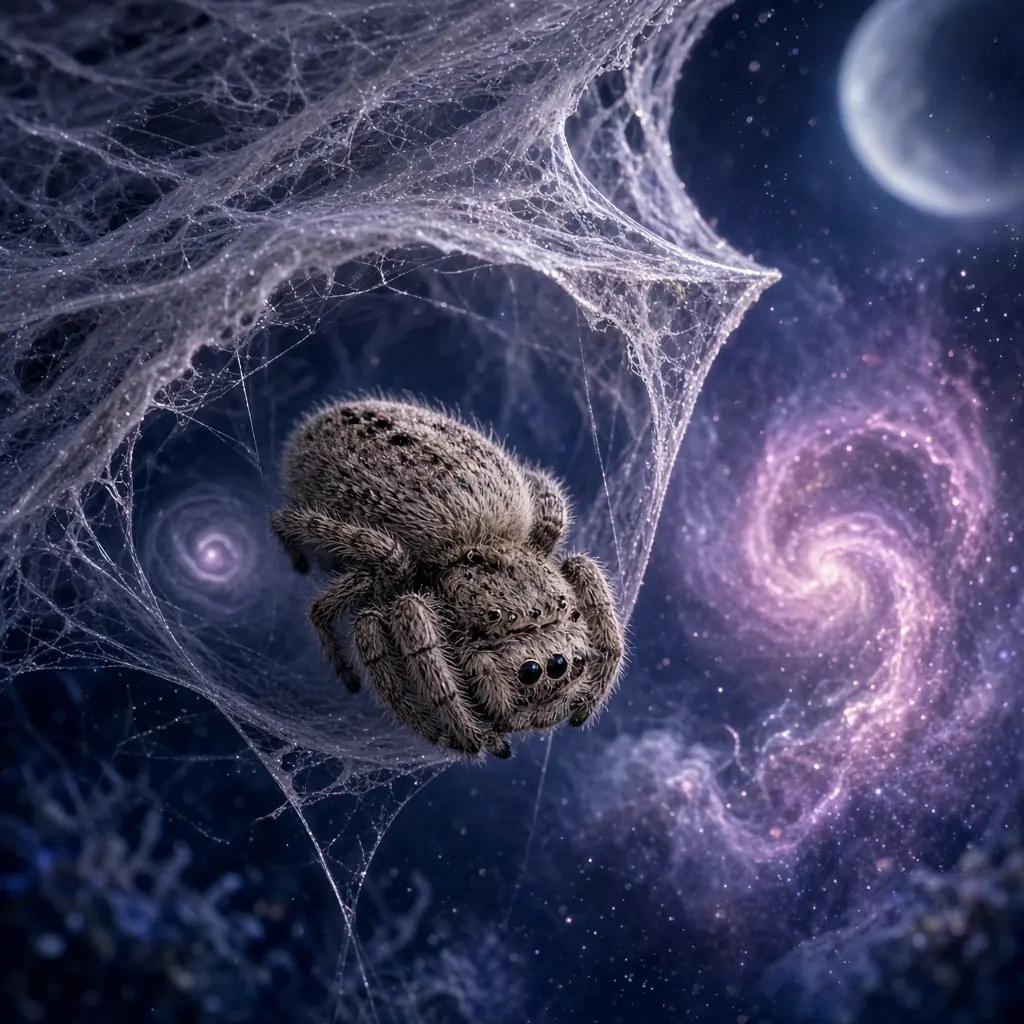
Jumping spiders may dream like we do
A study finds in these spiders a sleep phase similar to REM, the stage of vivid dreams.
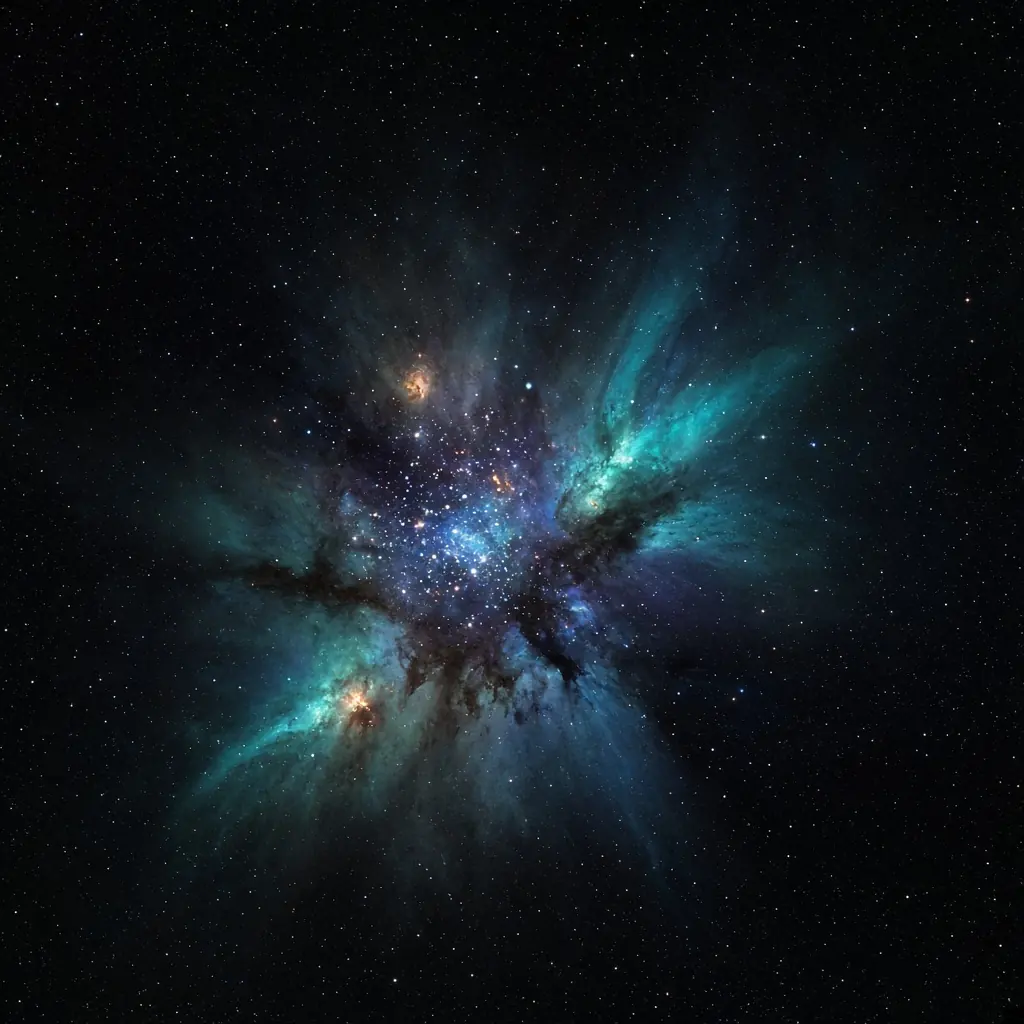
Hubble finds that oxygen is missing from dwarf galaxies
Supernova explosions expel more oxygen from small galaxies than models predicted.
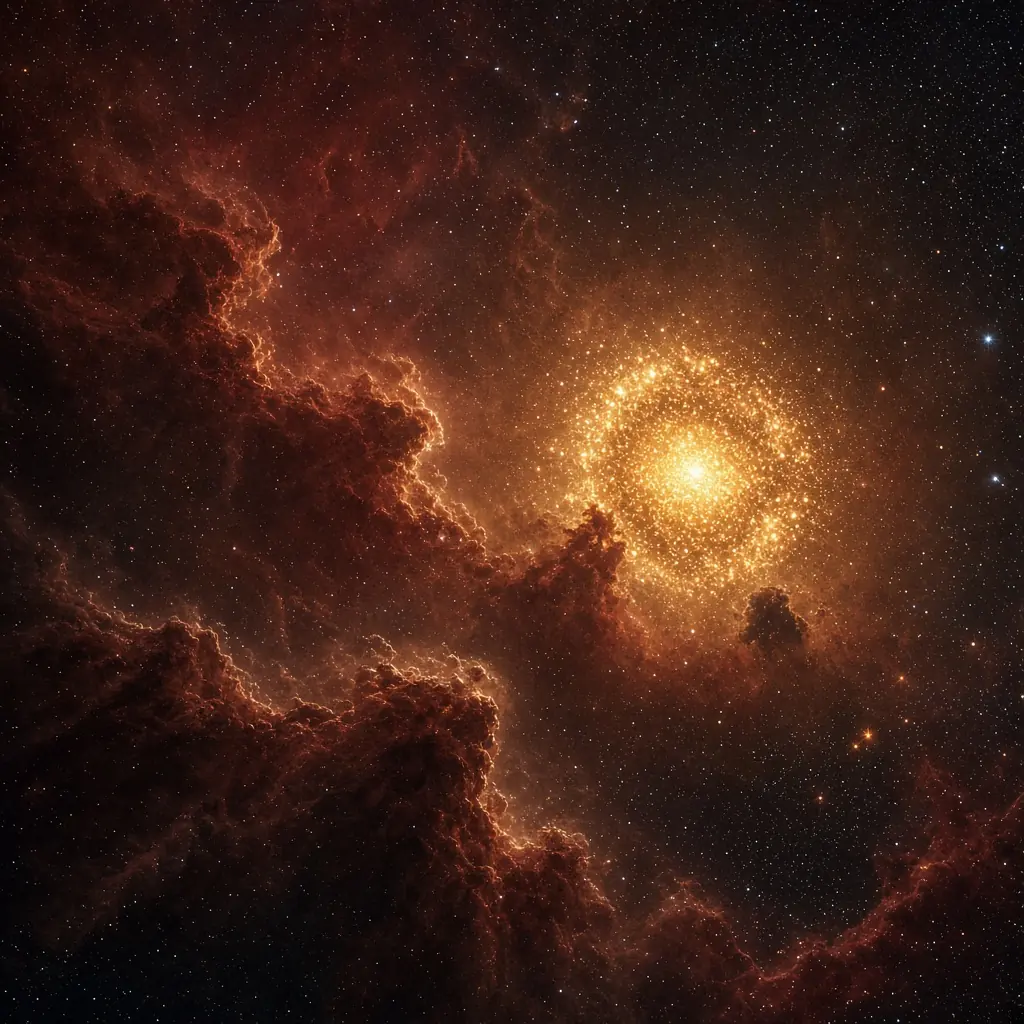
The star cluster that is almost as old as the universe
A cluster hidden behind the dust of the galactic center may be 13.4 billion years old.
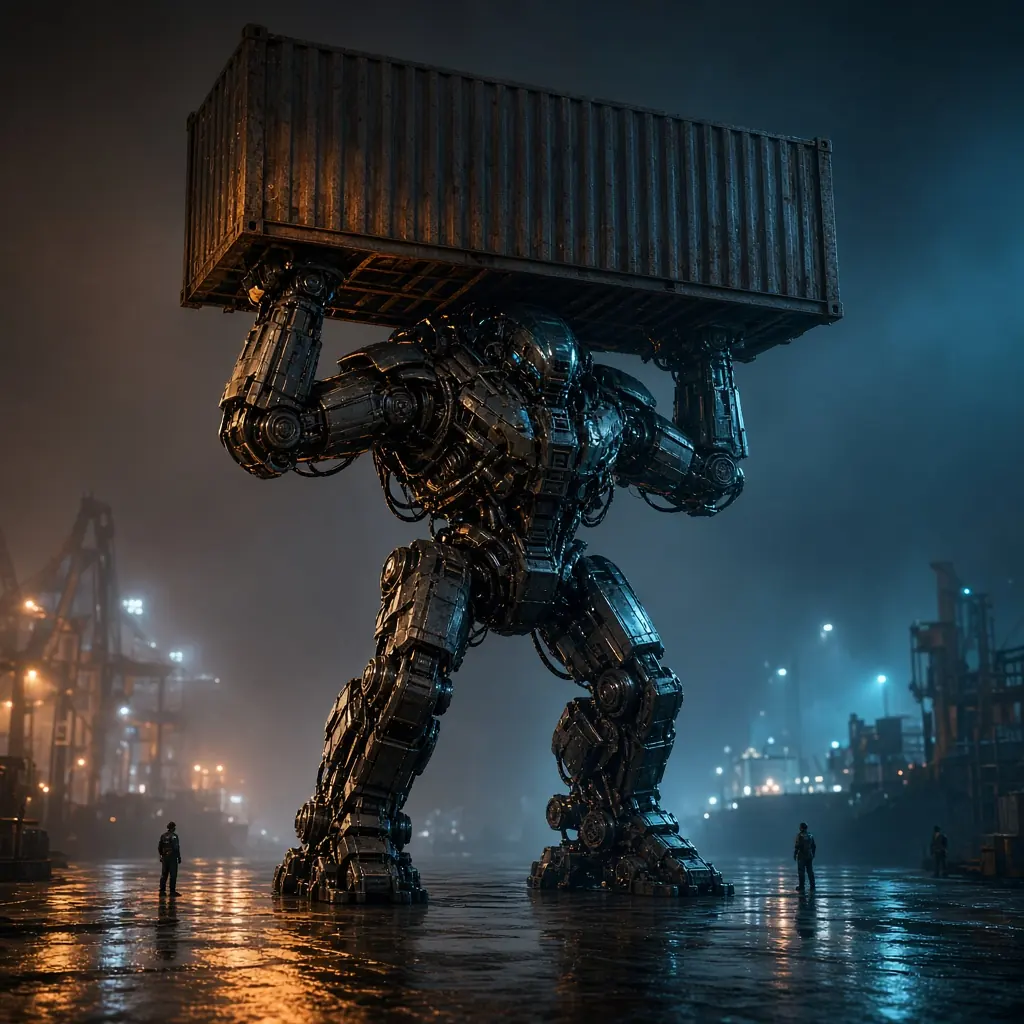
Neo1: the giant humanoid robot for dangerous jobs
It stands 4 meters tall, weighs 1.2 tonnes and was designed for ports, mines and nuclear plants.
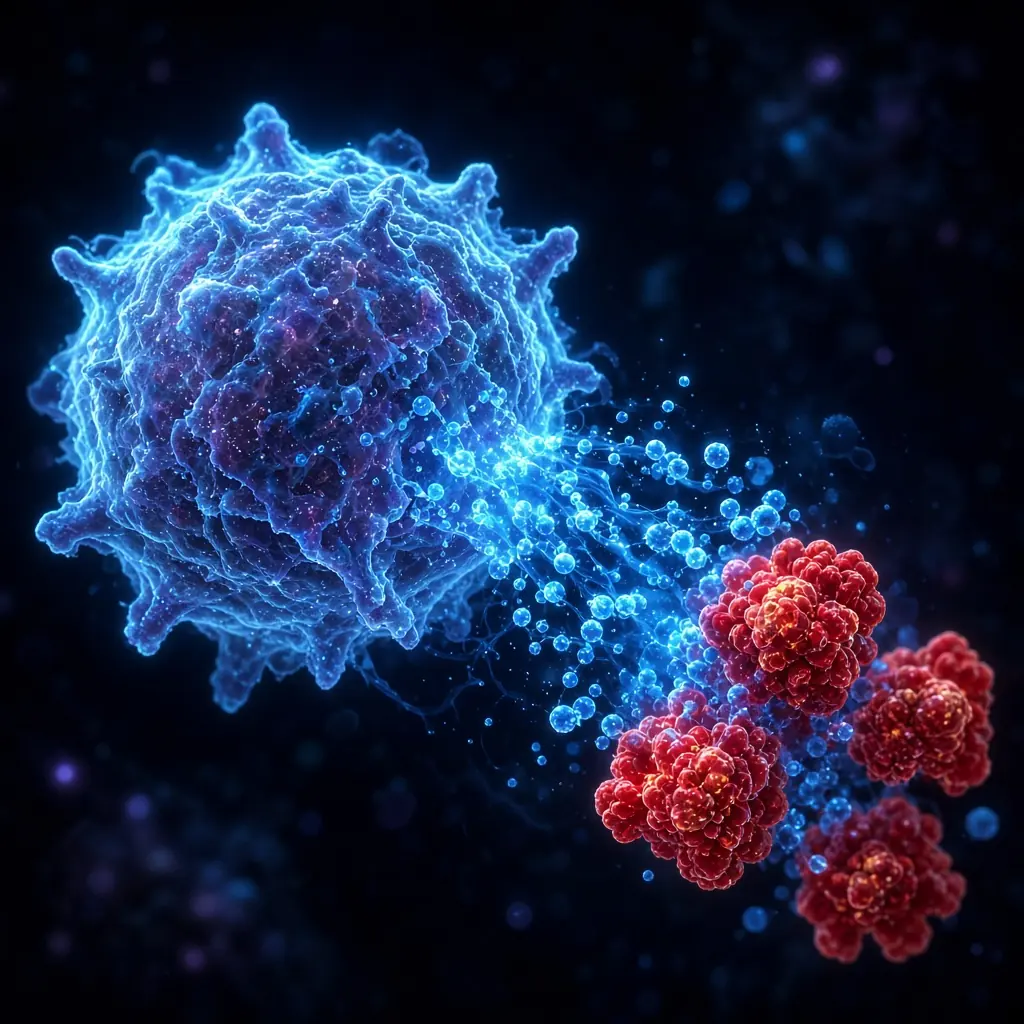
Taurine, an unexpected brake on age-related inflammation
A Yale study in Cell reveals how this amino acid controls a key immune alarm.
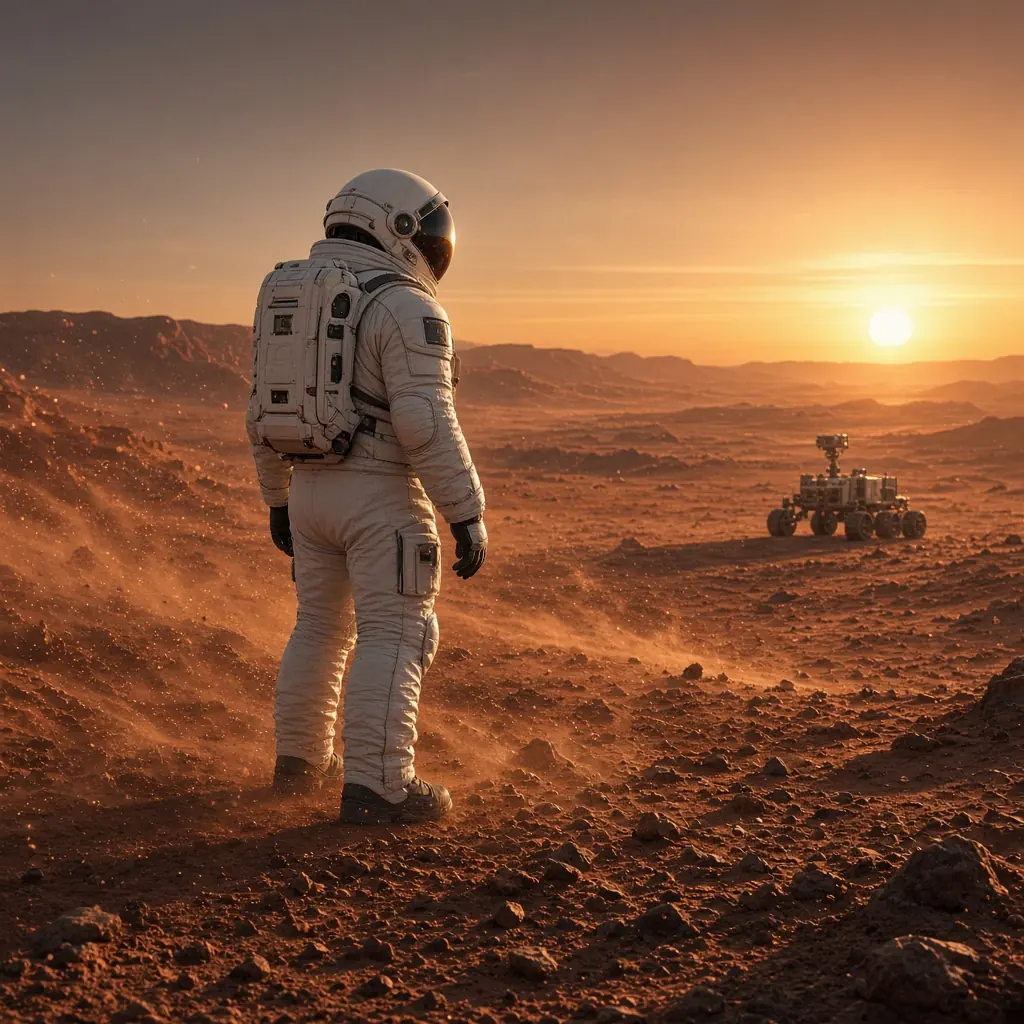
Martian dust is gentler than lunar dust, but it has risks
Spacesuit samples aboard Perseverance barely wore down over 1,645 Martian days.
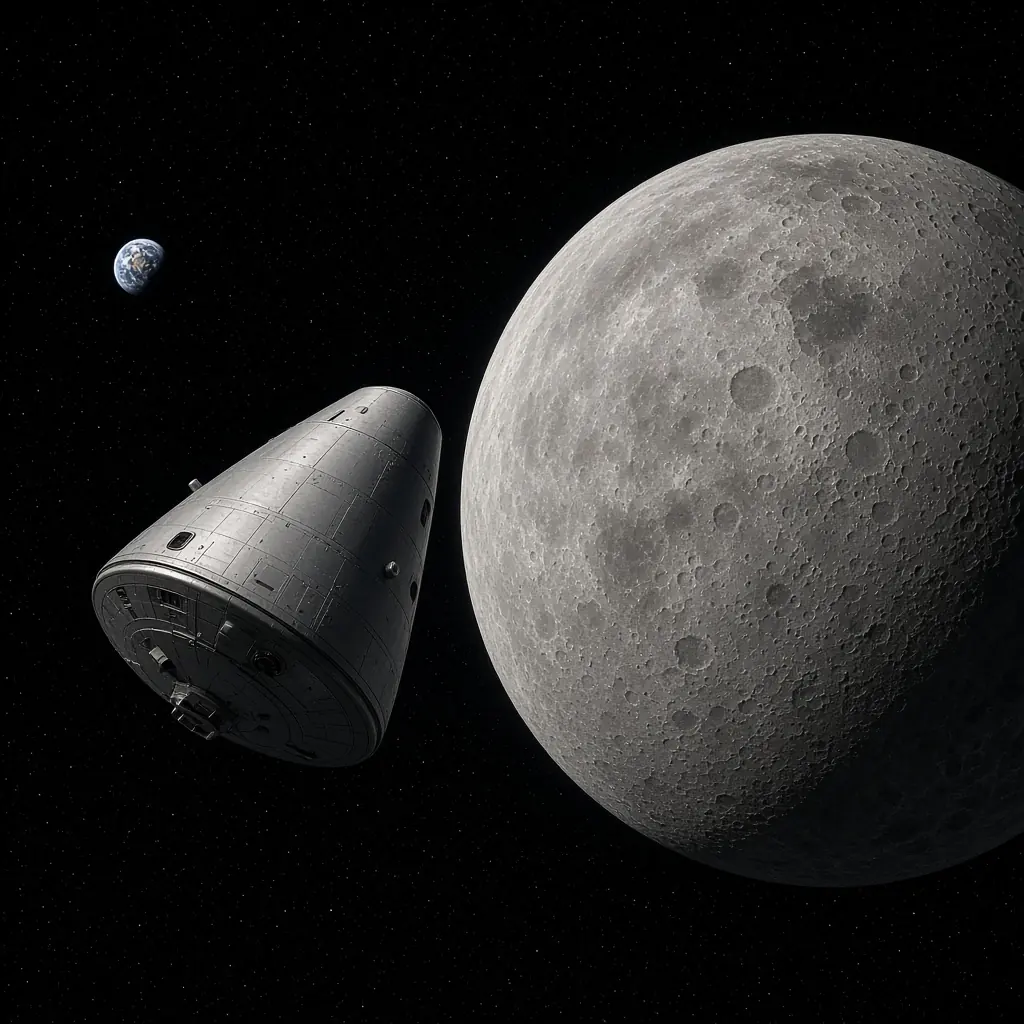
Artemis II returns to Earth after its trip around the Moon
The four astronauts splashed down off San Diego on April 10, 2026.
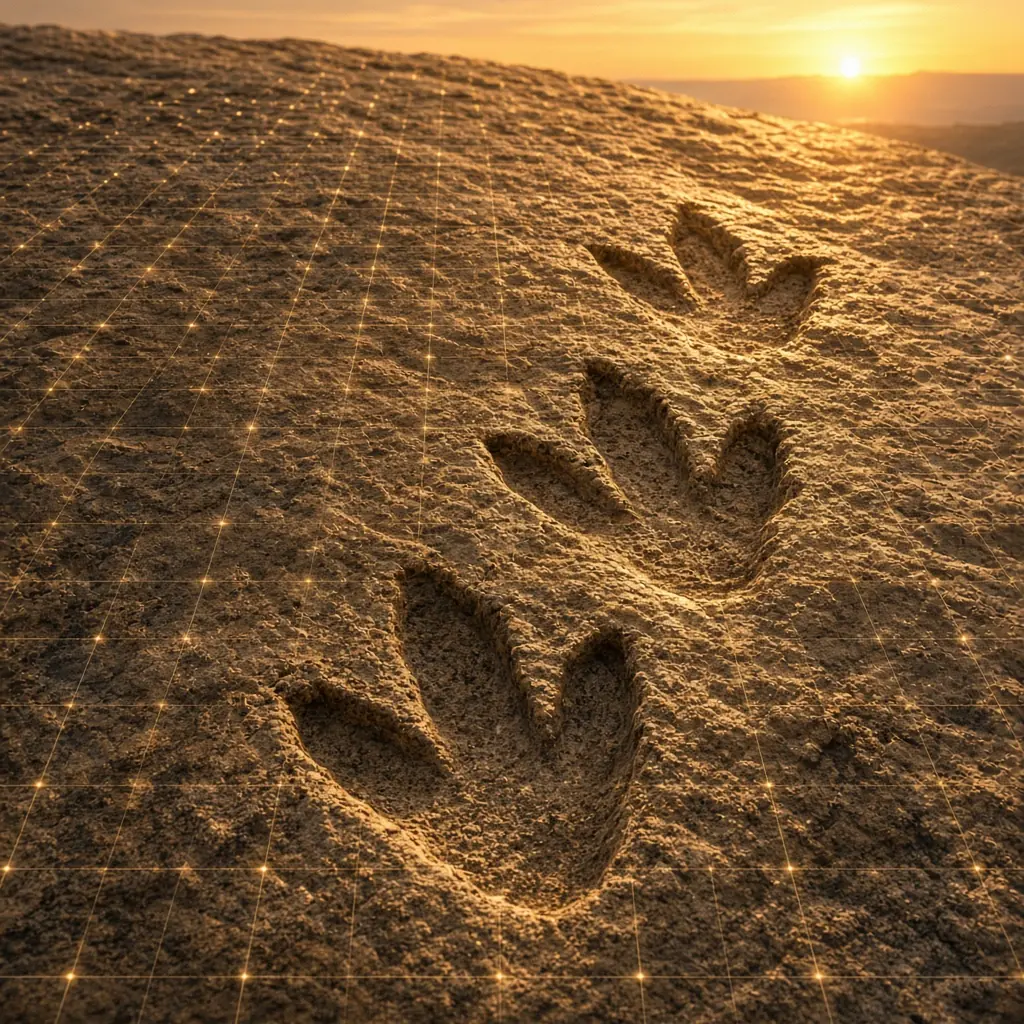
An AI reveals which dinosaur left each footprint
DinoTracker compares fossil footprint outlines and gets it right like an expert.
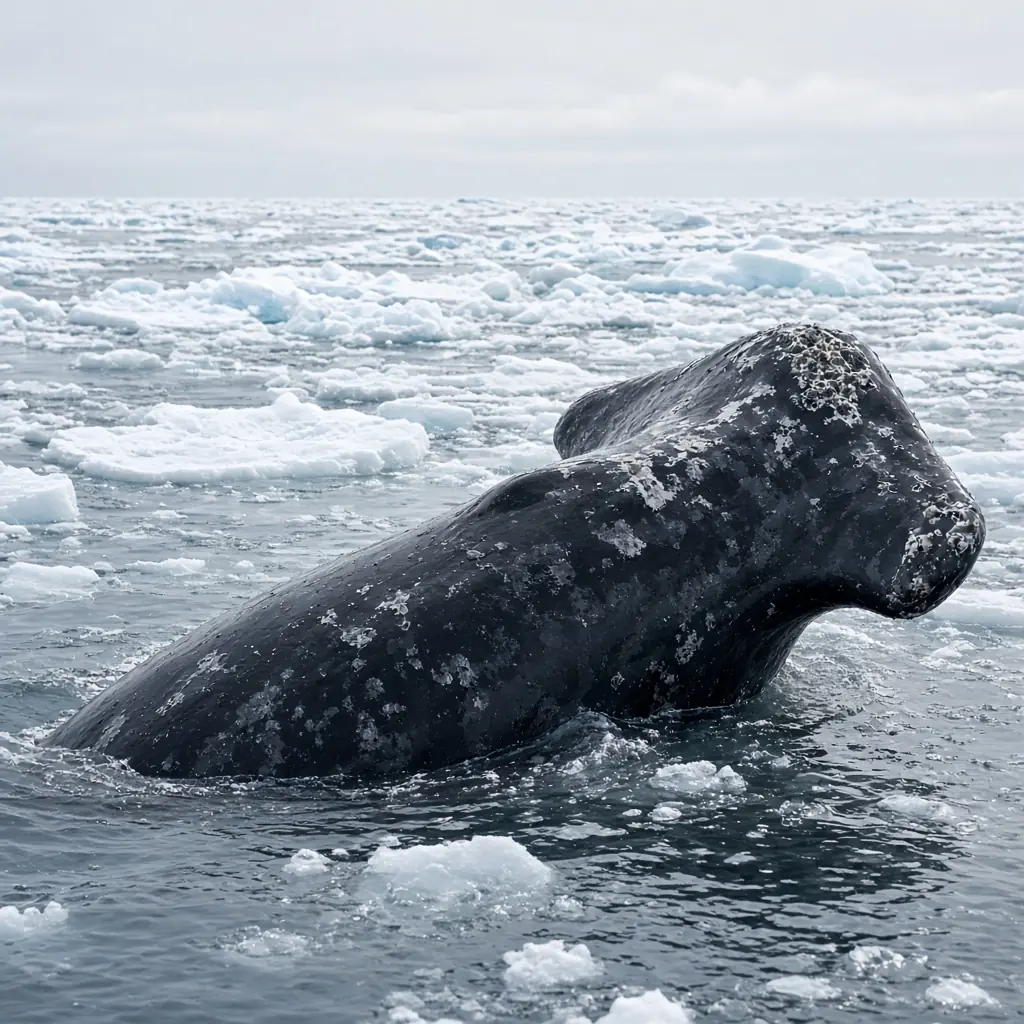
The secret of the whale that lives over 200 years lies in a protein
The bowhead whale repairs its DNA better than any other mammal.
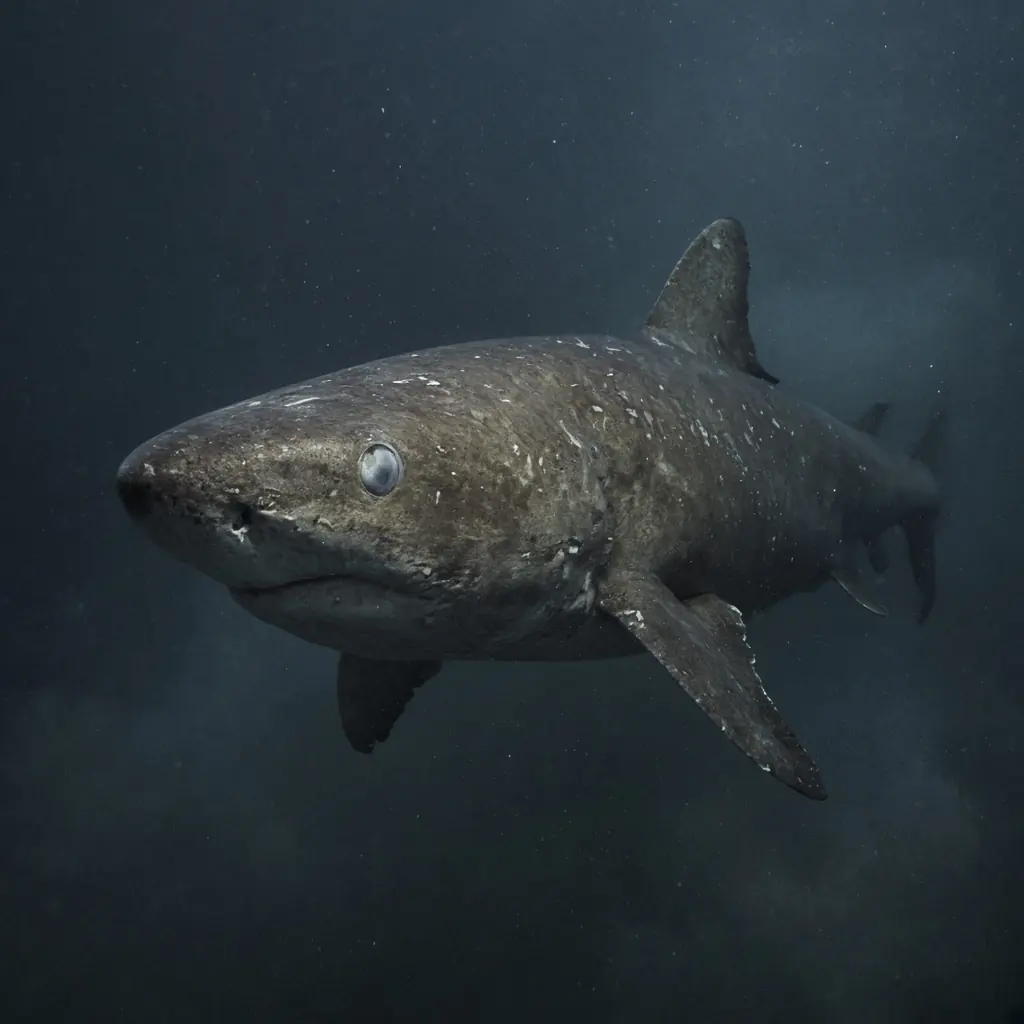
The genome of the Greenland shark, the longest-lived vertebrate
Its DNA reveals clues about how it can live around four centuries.
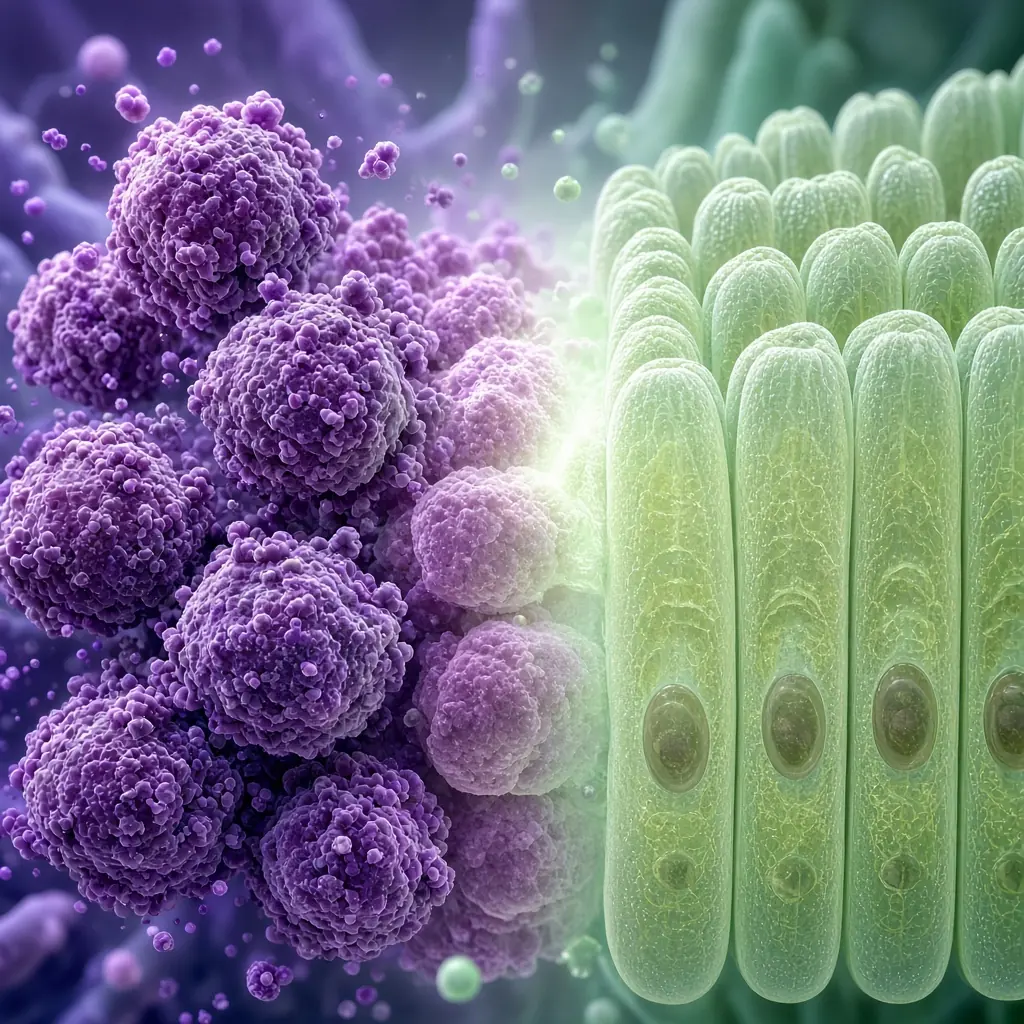
Scientists turn colon cancer cells into near-normal cells
A KAIST team managed to "reverse" cancer in the lab without killing the cells.
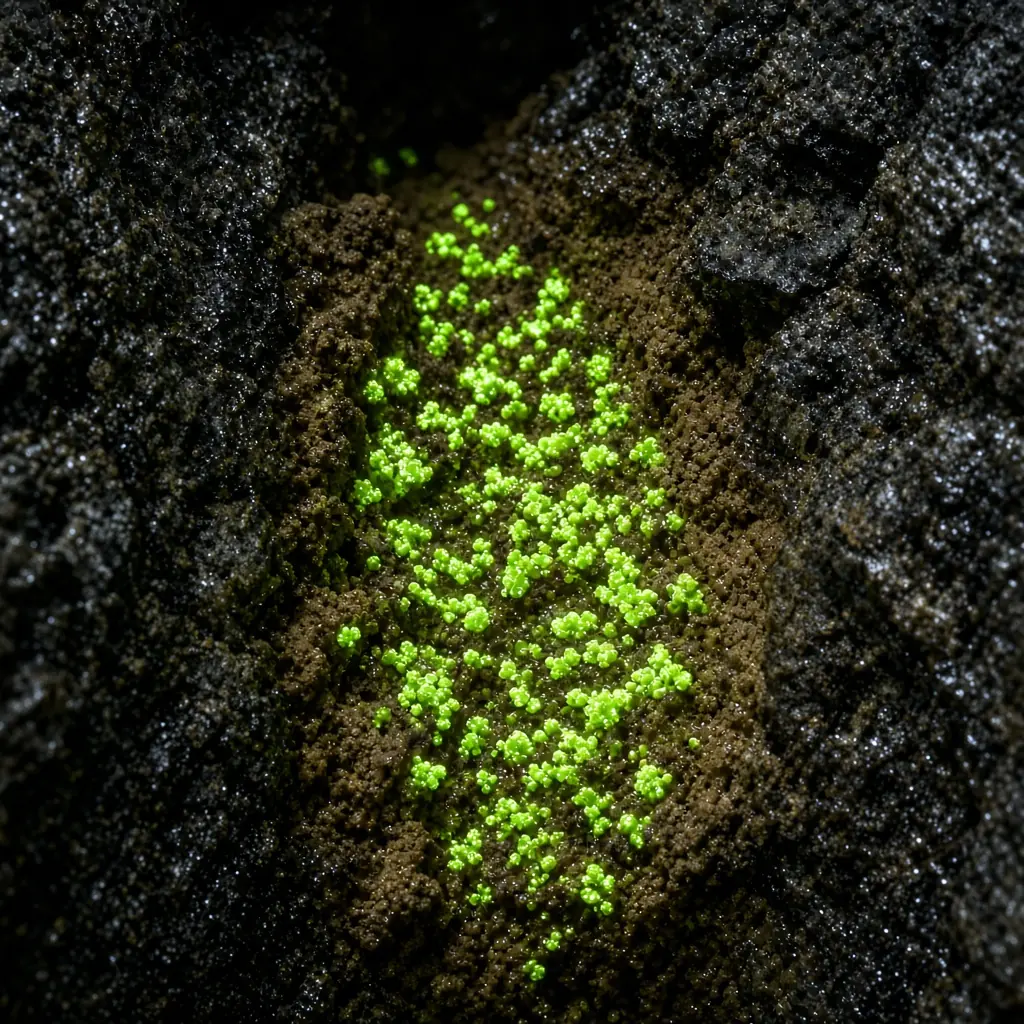
Living microbes found inside a 2-billion-year-old rock
It is the oldest known rock hosting life, sealed in clay-filled cracks.

Neuralink now has 21 people controlling computers with their minds
Two years after its first implant, the Telepathy chip is adding patients in four countries.
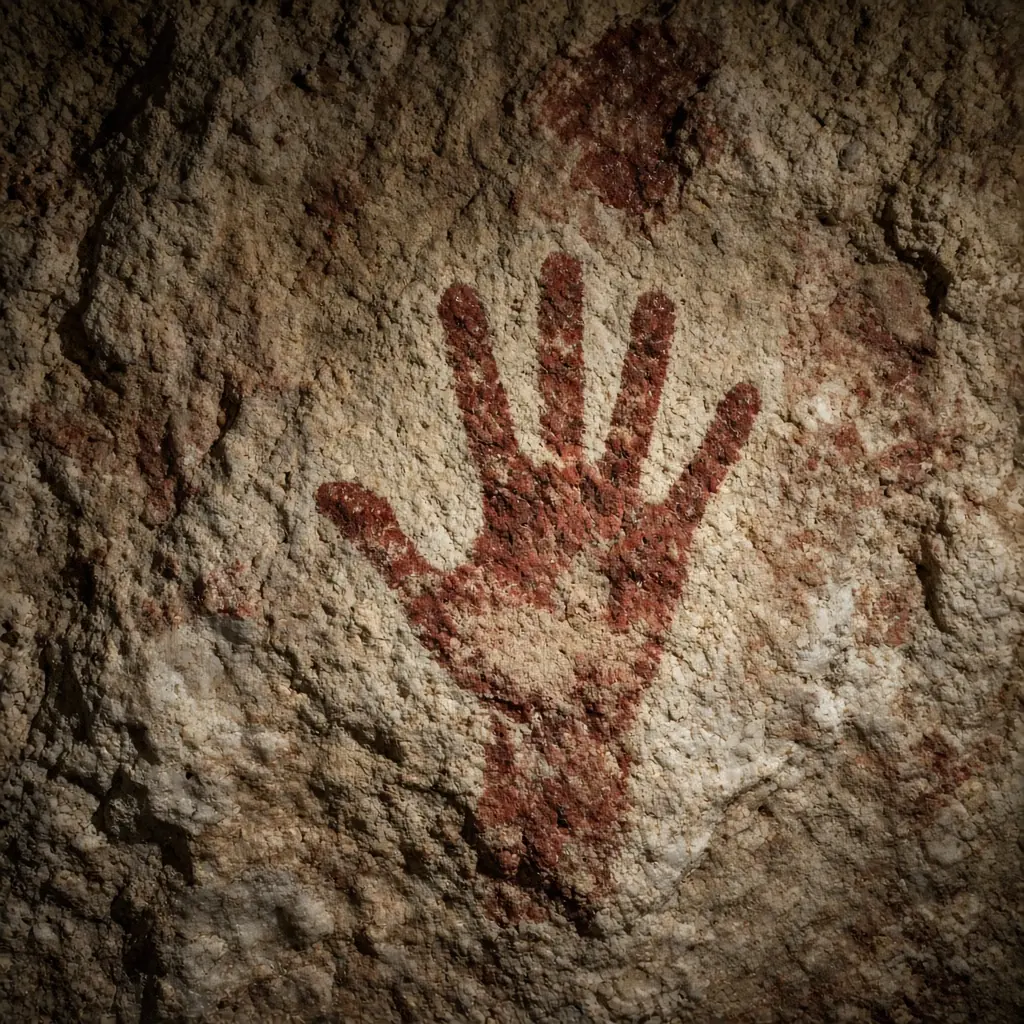
The world's oldest cave painting: a hand from 67,800 years ago
A hand stencil in an Indonesian cave beats every record for human art.
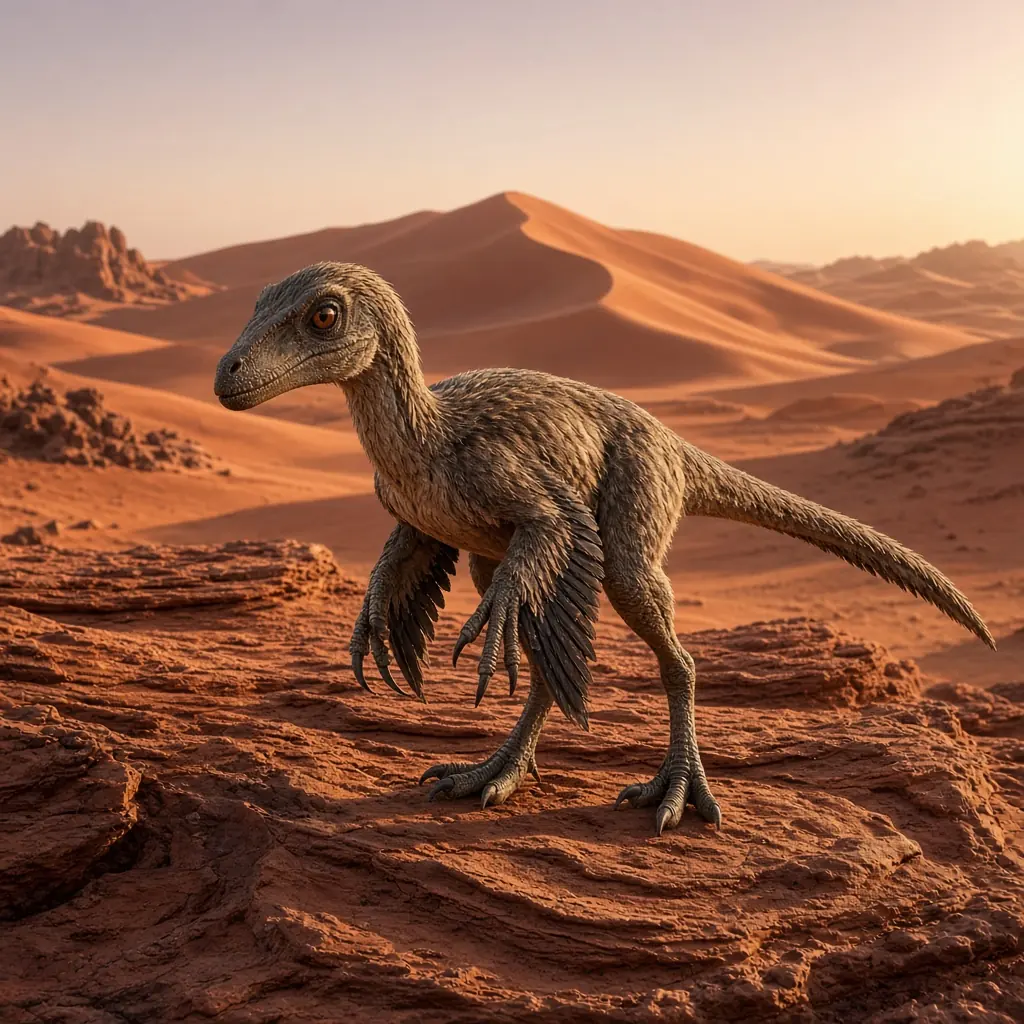
Shri rapax, the small dinosaur with robust thumbs
A new dromaeosaurid from Mongolia had especially strong hands.
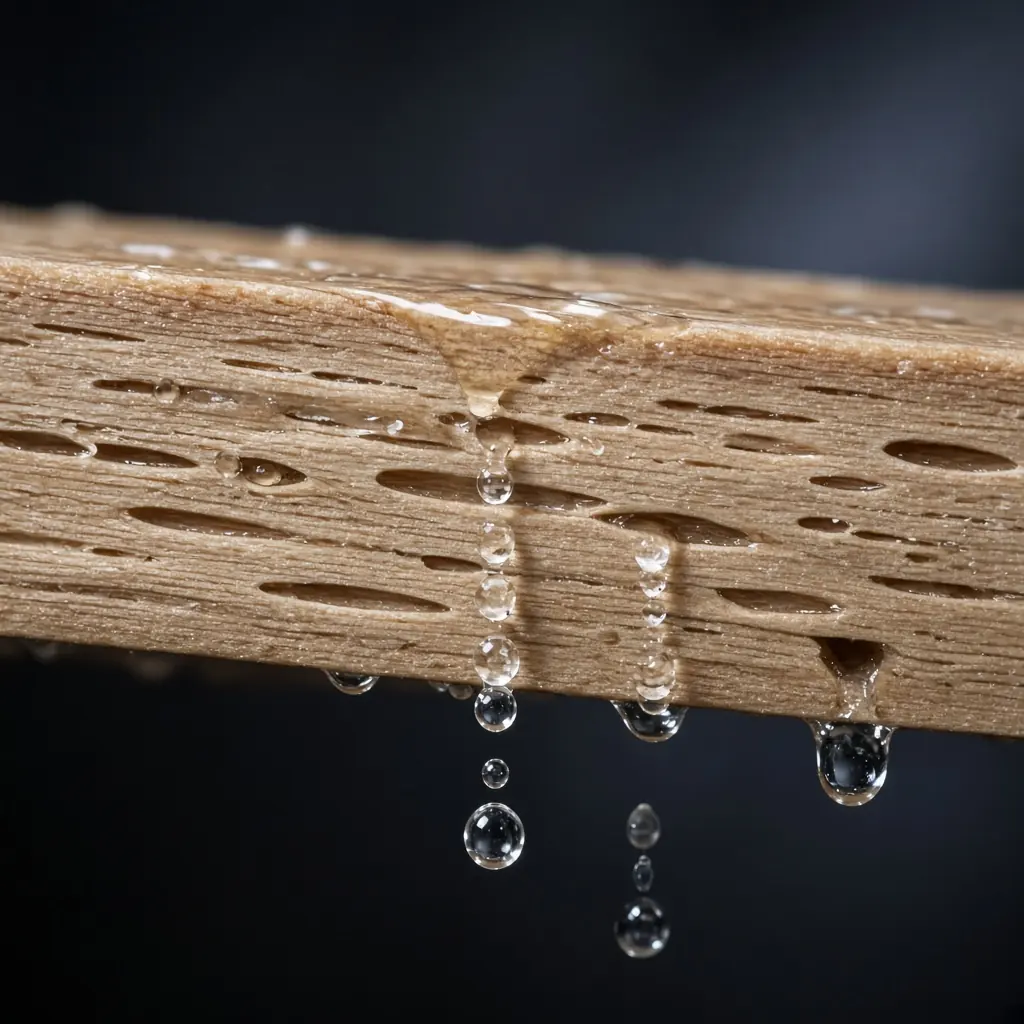
Wood slices that filter nanoparticles from water
Thin cuts of wood retained up to 99.9% of test particles in the lab.
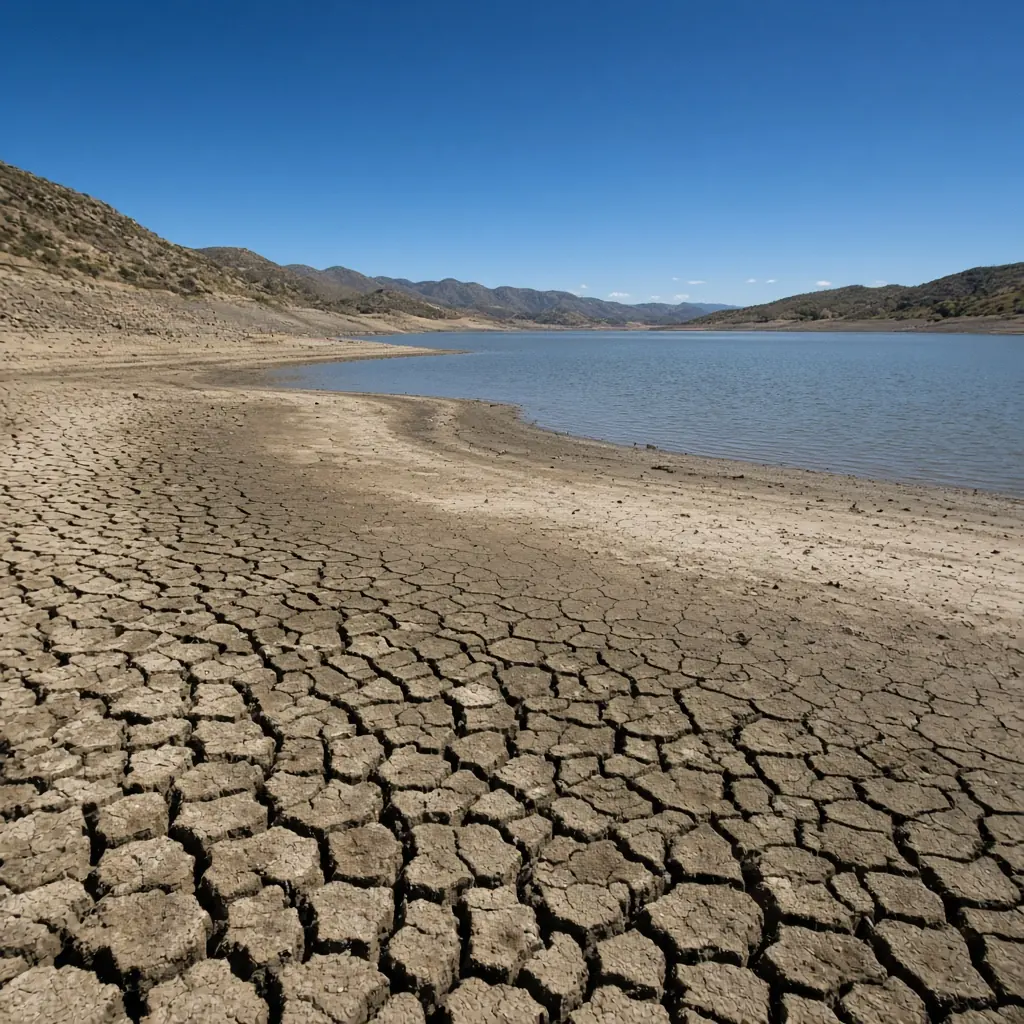
The continents are drying at an alarming rate
A satellite-data study shows Earth has been losing freshwater since 2002.
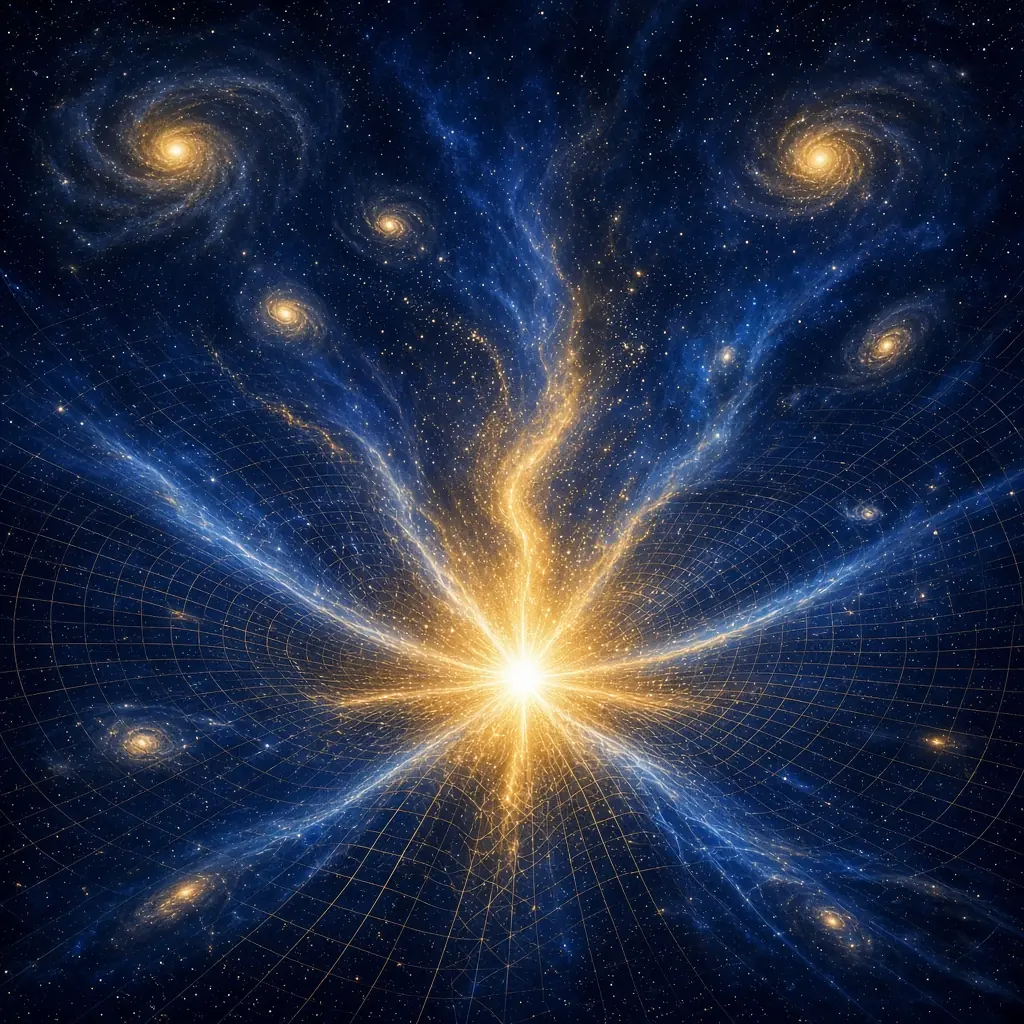
A theorem strengthens the case that the universe had a beginning
Raphael Bousso extends a singularity theorem into the quantum realm.
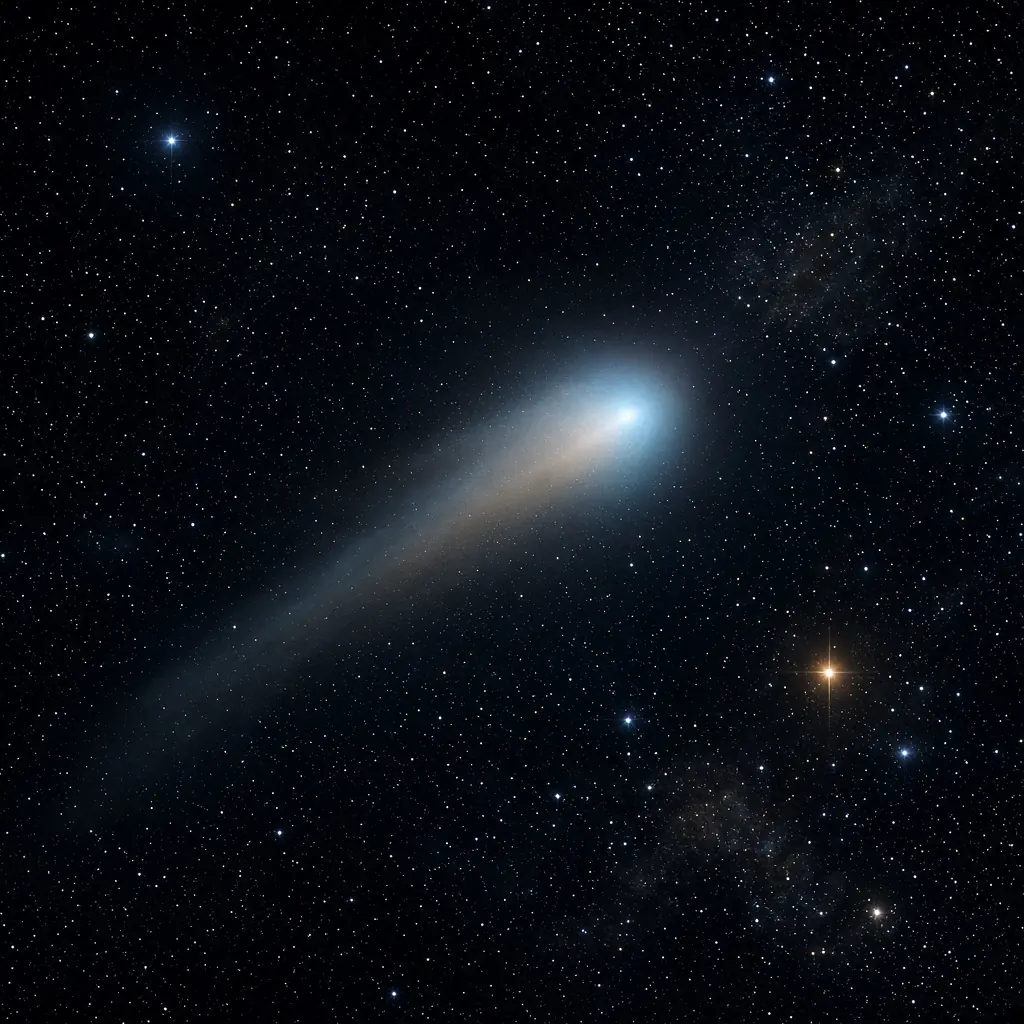
What if 3I/ATLAS were an alien spacecraft? Avi Loeb raises the hypothesis
A Harvard paper analyzes, as an exercise, whether the interstellar visitor could be hostile.
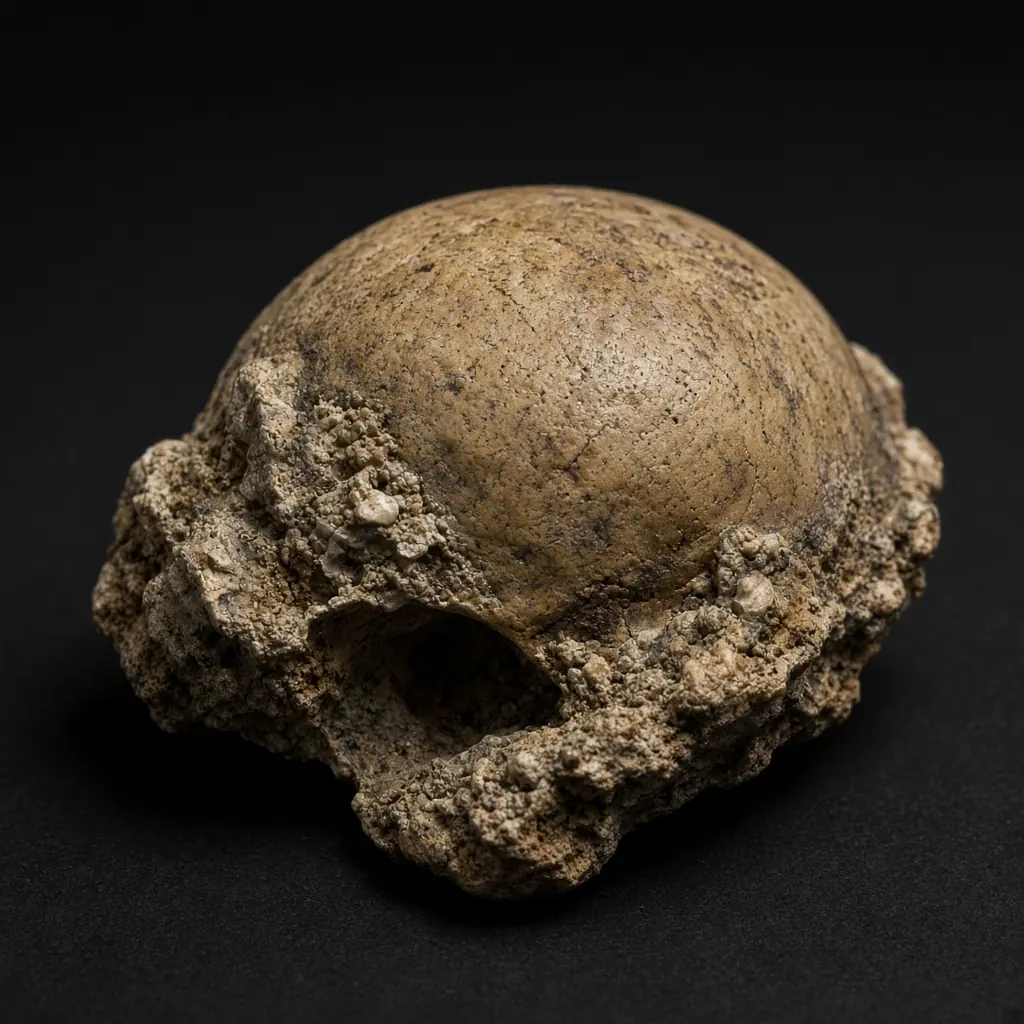
Homo erectus fossils recovered from the seafloor in Indonesia
Remains dredged from the Madura Strait reveal a land now underwater.
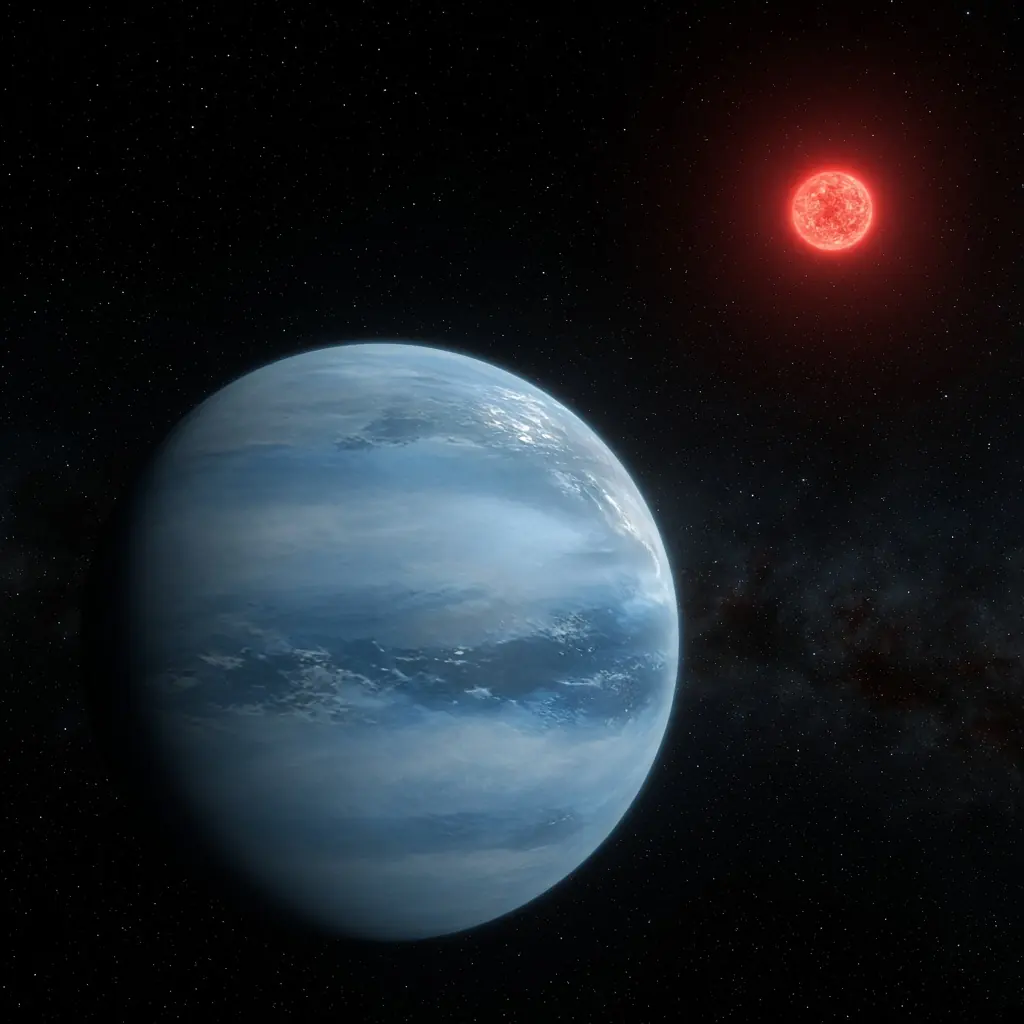
K2-18b: the signs of life that still don't convince
James Webb hinted at molecules linked to life, but later reanalyses don't confirm them.
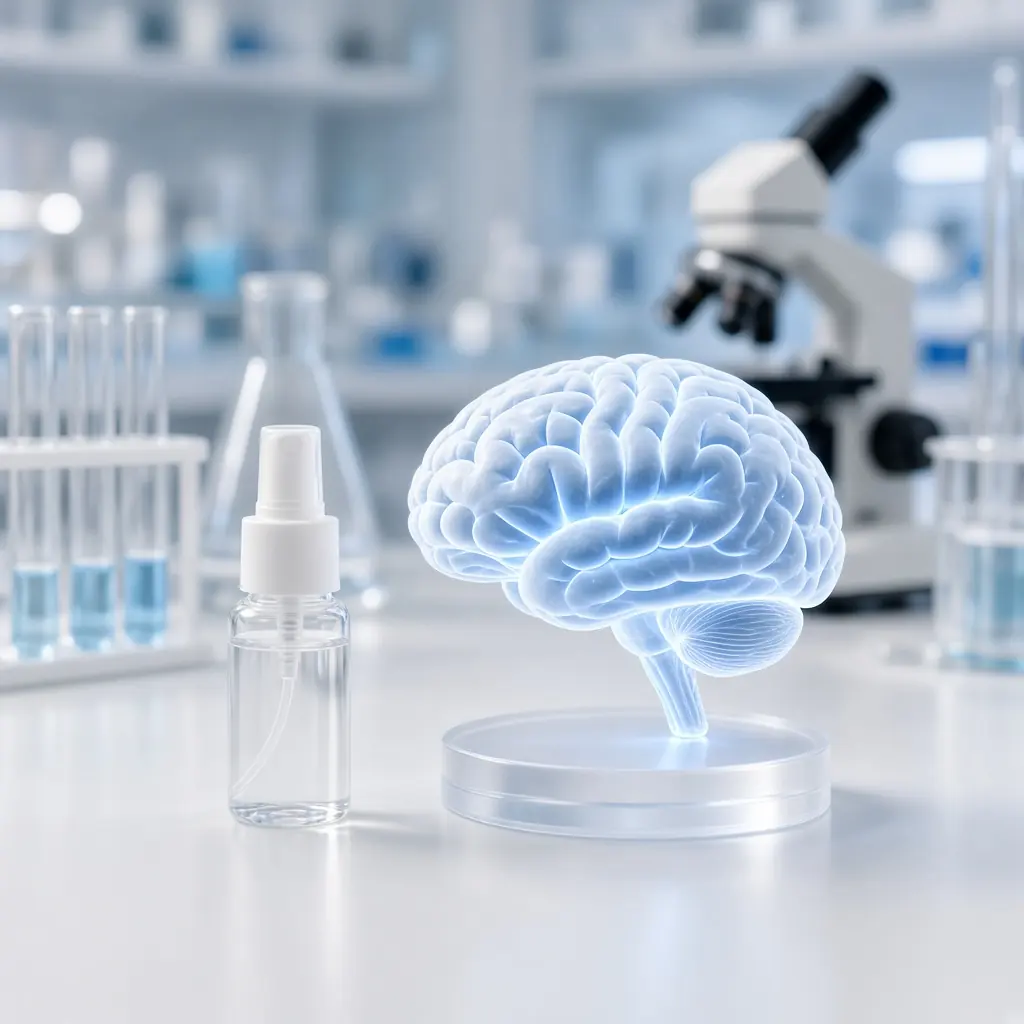
A nasal spray reduces tau protein in mice with dementia
A single dose improved memory in old mice, according to a UTMB study.
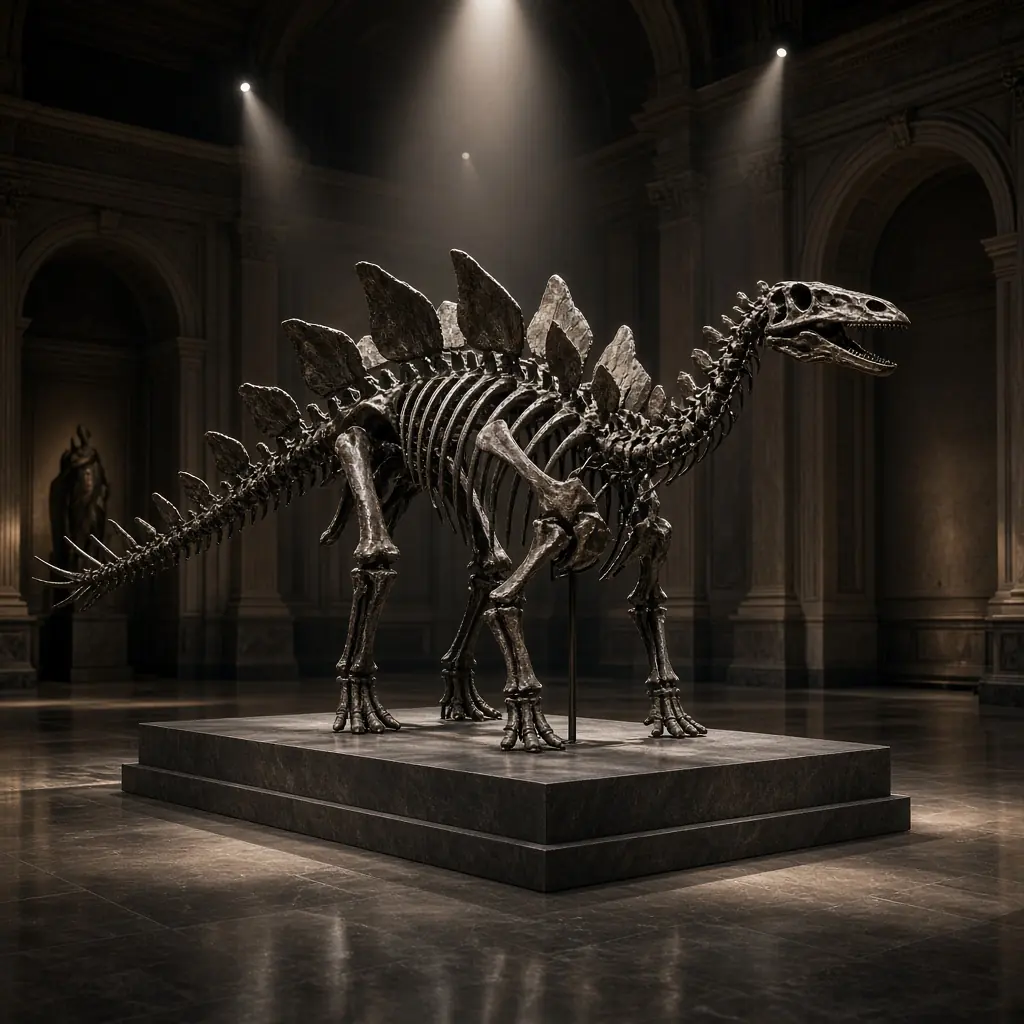
"Apex," the stegosaurus sold for 44.6 million dollars
It is the most expensive dinosaur fossil ever auctioned; Ken Griffin bought it.

"First and second sleep": how people slept before electric light
A historian proposed that sleeping in two stretches was common; today the idea is debated.
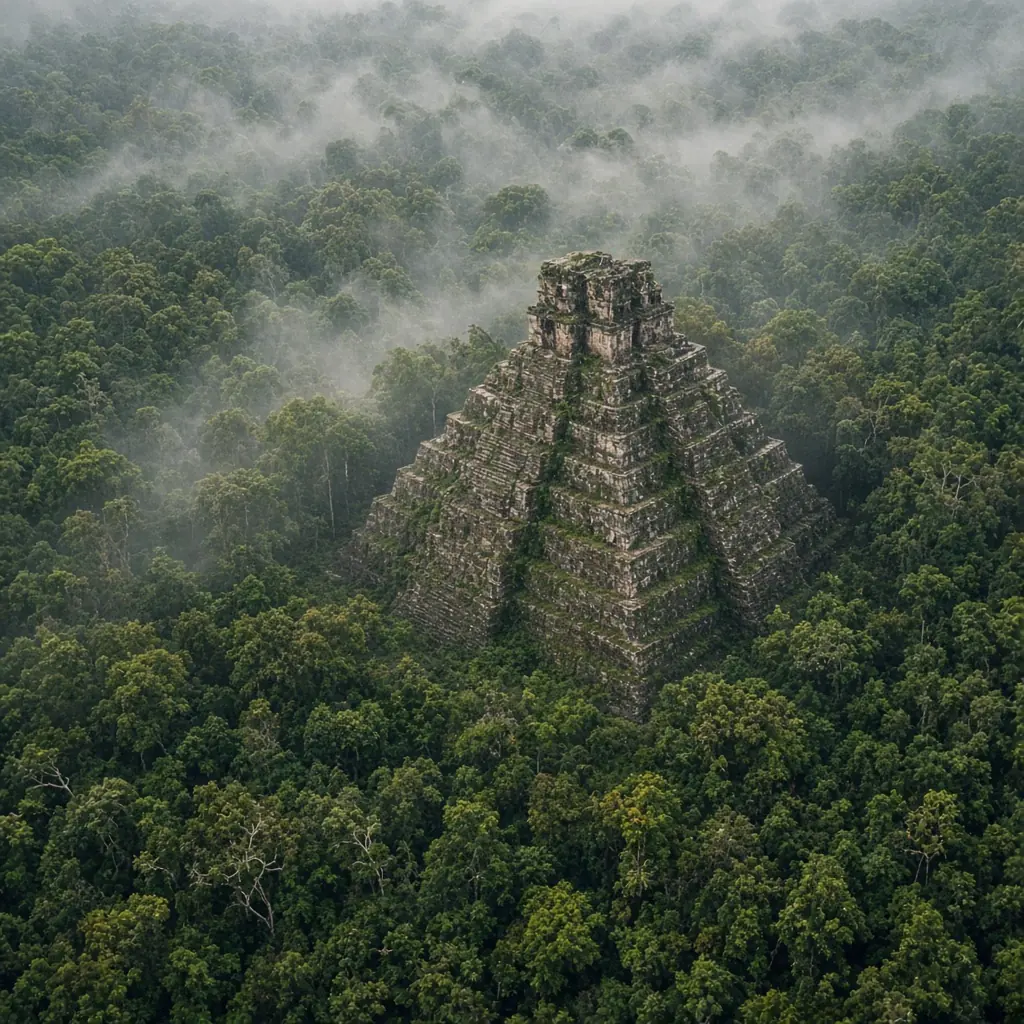
Maya find at Balam Kú: stucco beneath a ball court
INAH documents an unexplored area with clues about mobility in the Maya Lowlands.
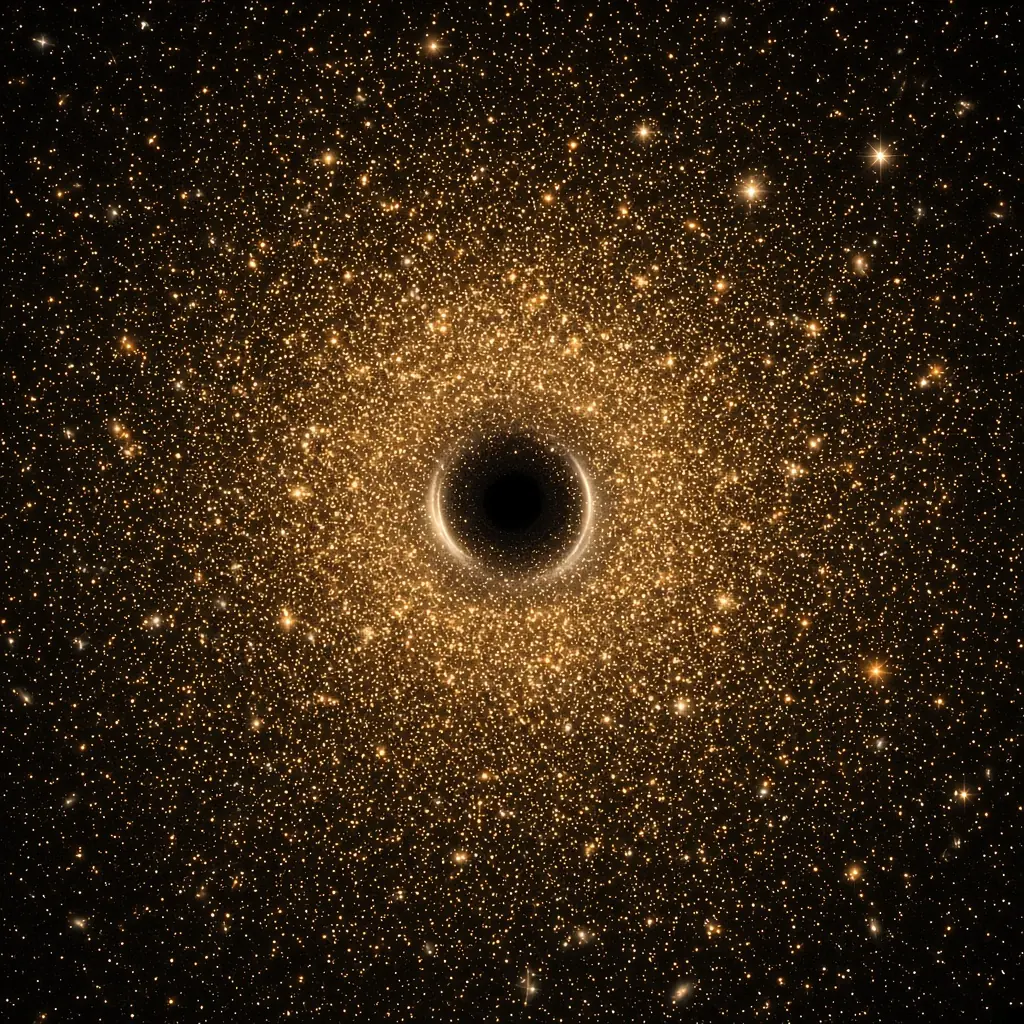
Hubble finds the "missing" black hole in Omega Centauri
Seven stars moving too fast give away an intermediate-mass black hole.
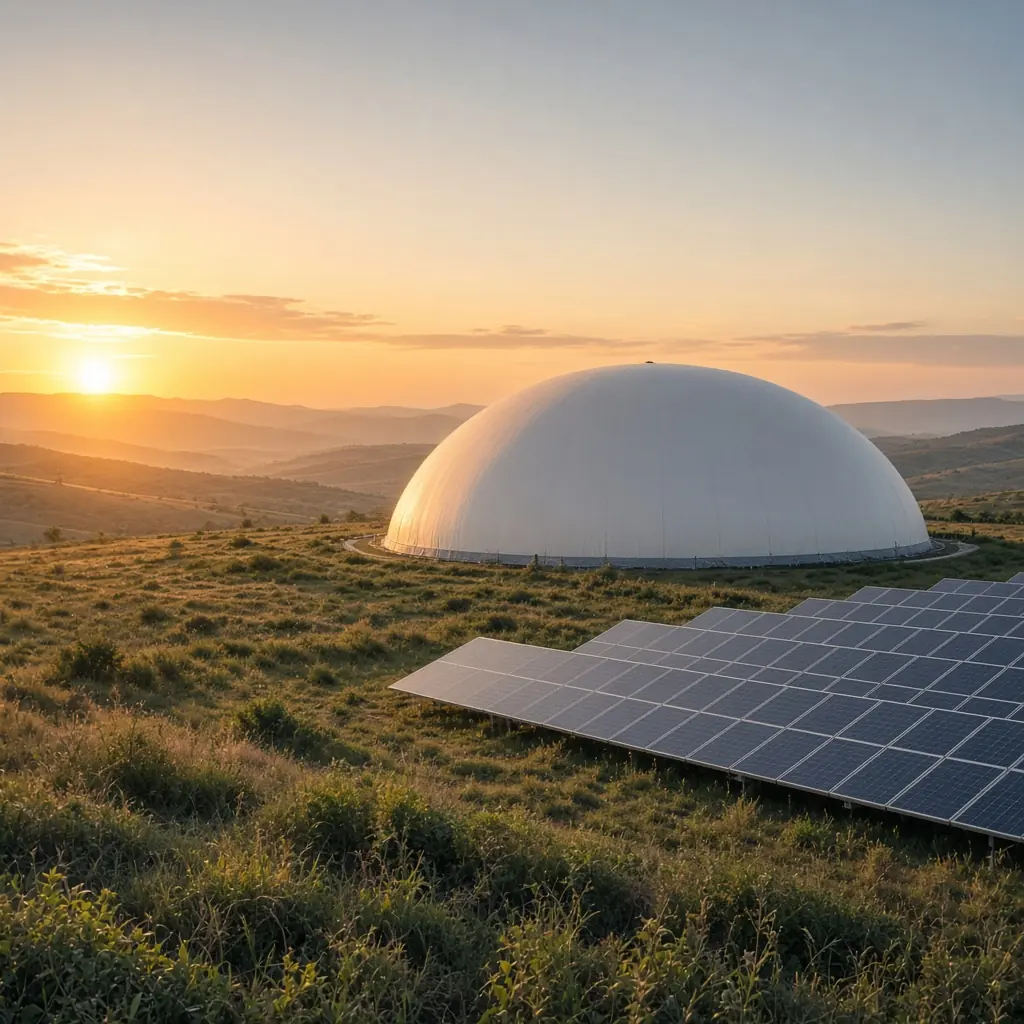
The battery that stores energy with CO2 instead of lithium
An Italian company stores solar electricity by compressing carbon dioxide.
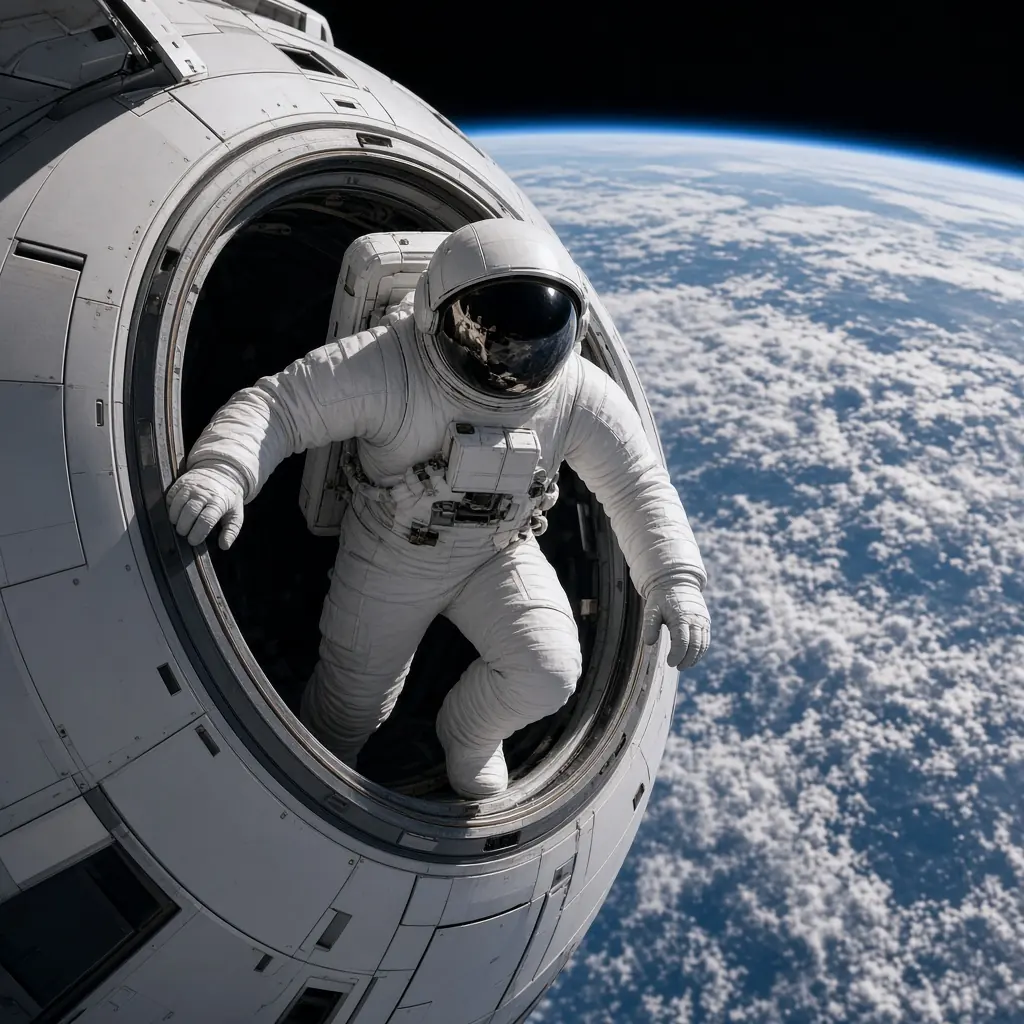
Polaris Dawn: the first commercial spacewalk
Jared Isaacman and Sarah Gillis stepped out into the vacuum in September 2024.
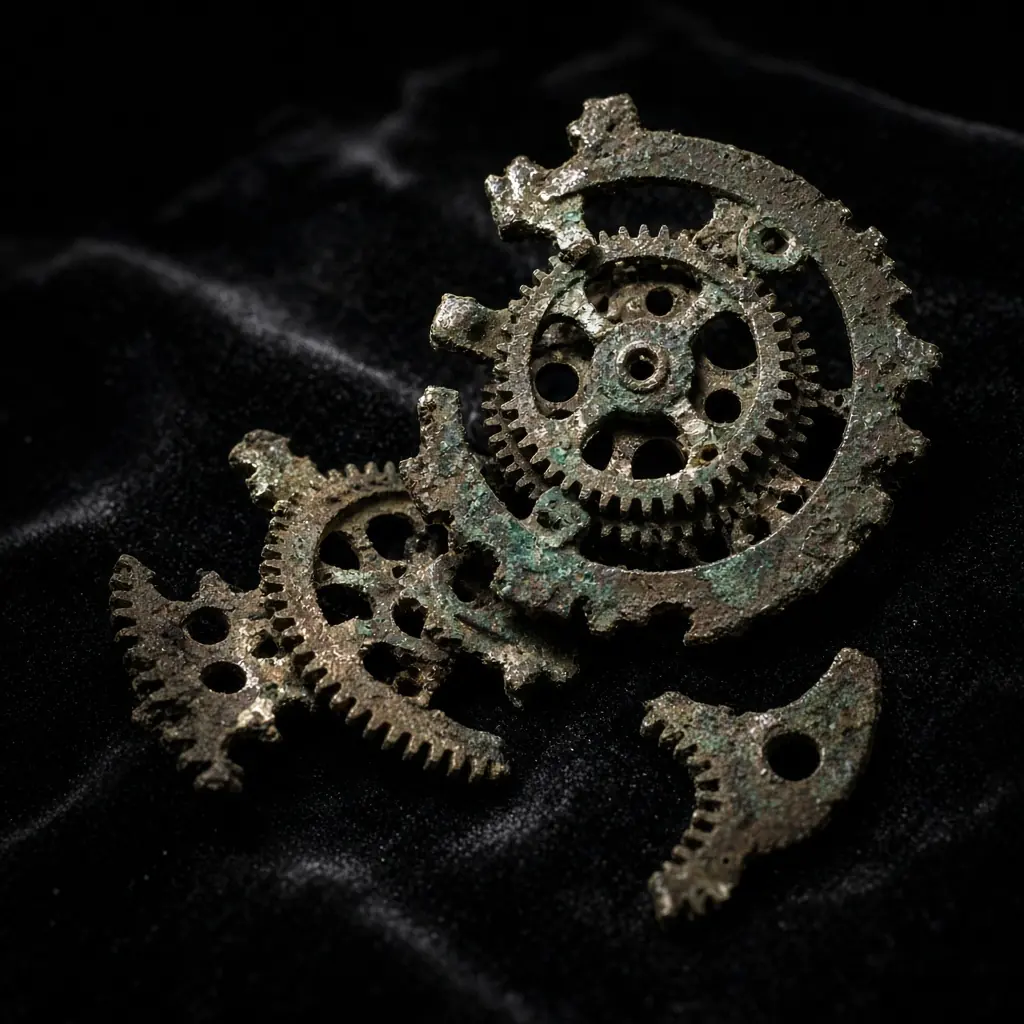
The world's oldest computer tracked the lunar calendar
Gravitational-wave techniques solve a riddle of the Antikythera mechanism.
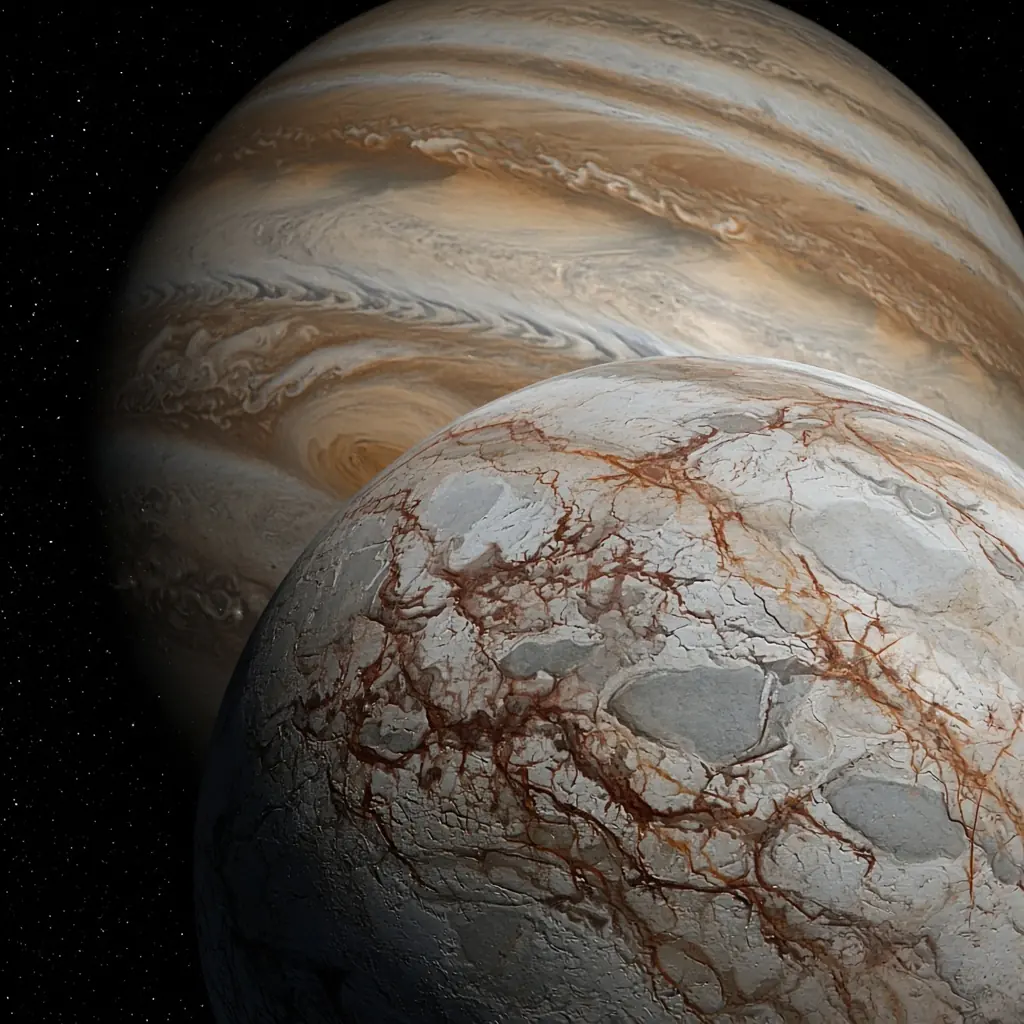
Europa's oceans could host long-lived hydrothermal vents
A model shows seafloor heat could last billions of years.
A hidden civilization on Earth? What the Harvard essay really says
A speculative essay explores the idea of "cryptoterrestrials"; its authors consider it unlikely.
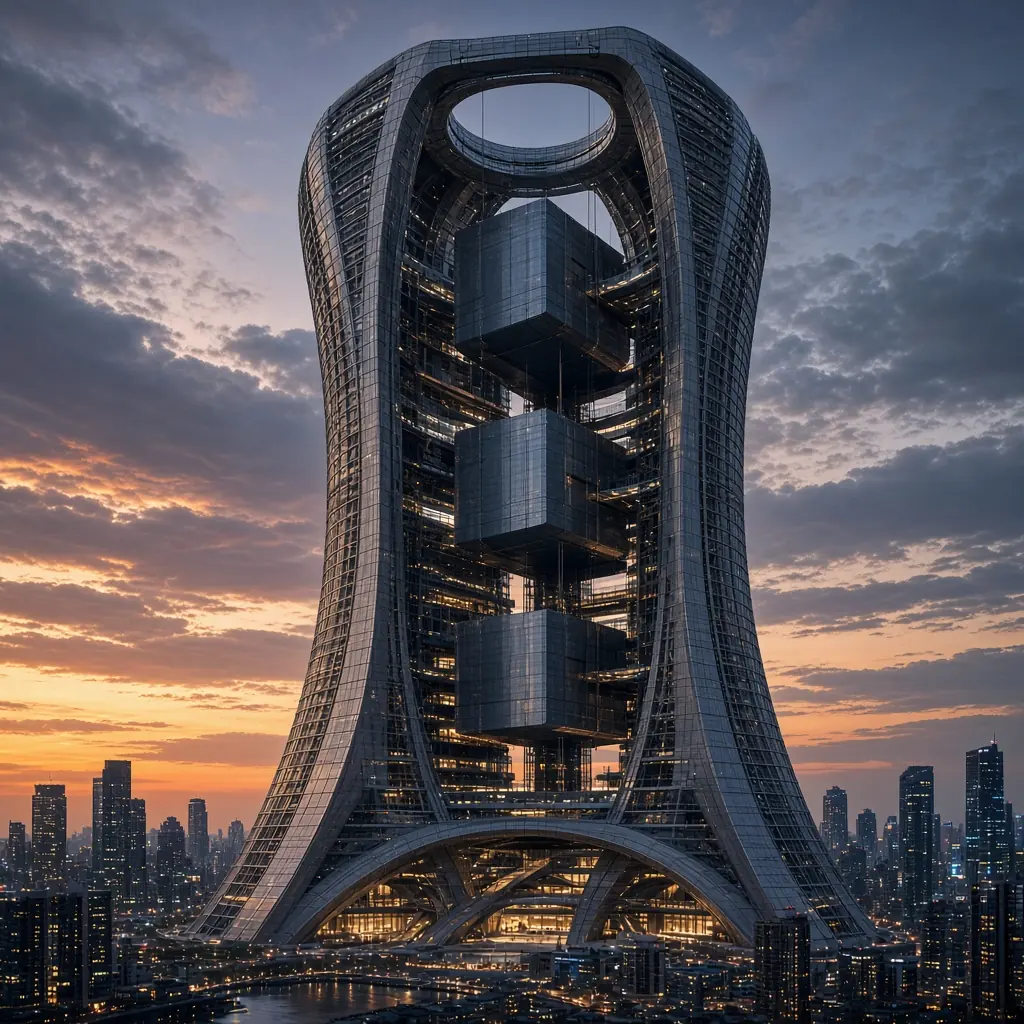
Skyscrapers that work as gravity batteries
Energy Vault and SOM propose storing energy by raising and lowering weights inside towers.
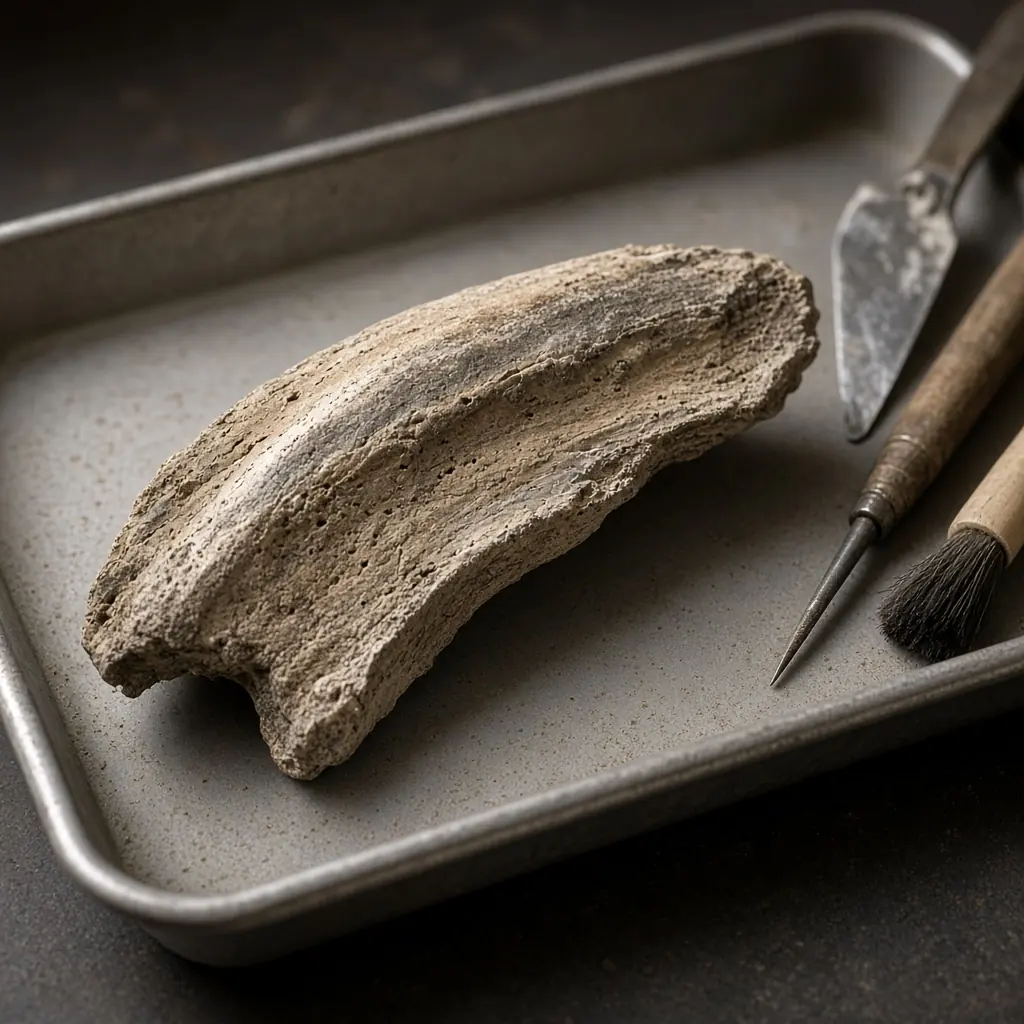
Denisovans survived in Tibet by eating everything
Bones from a cave at 3,280 meters reveal their diet over tens of thousands of years.
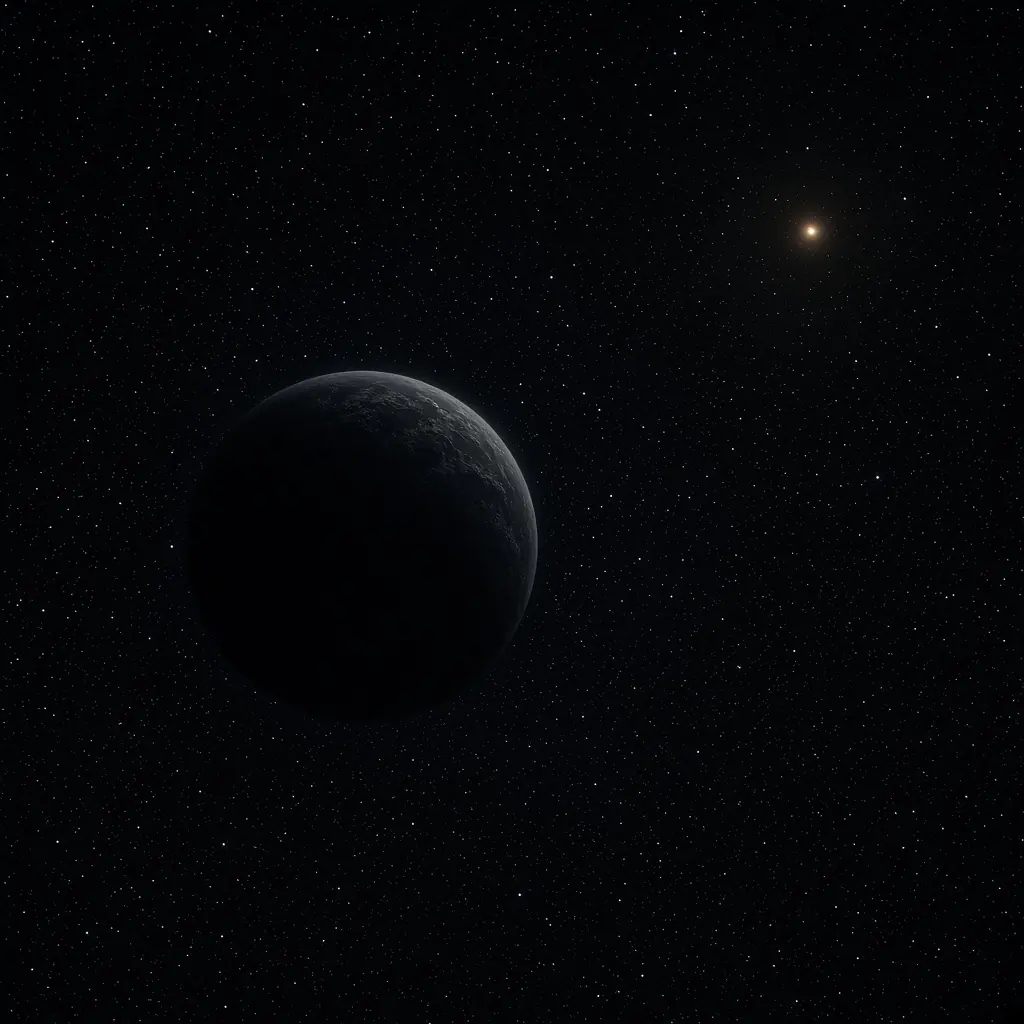
An interstellar messenger to find Planet Nine?
An astrophysicist proposes using interstellar meteors to track the hypothetical planet.
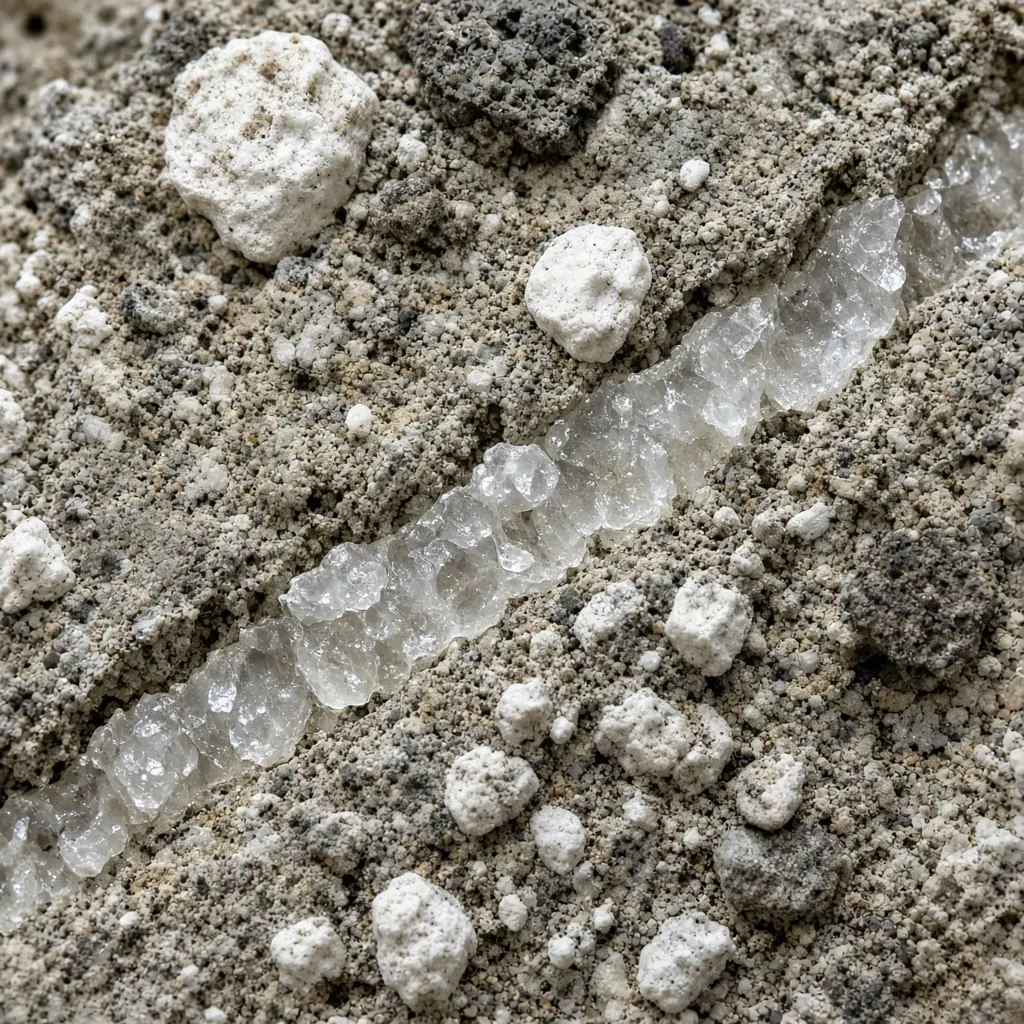
The secret of self-healing Roman concrete
MIT found that hot-mixed quicklime seals cracks on its own.
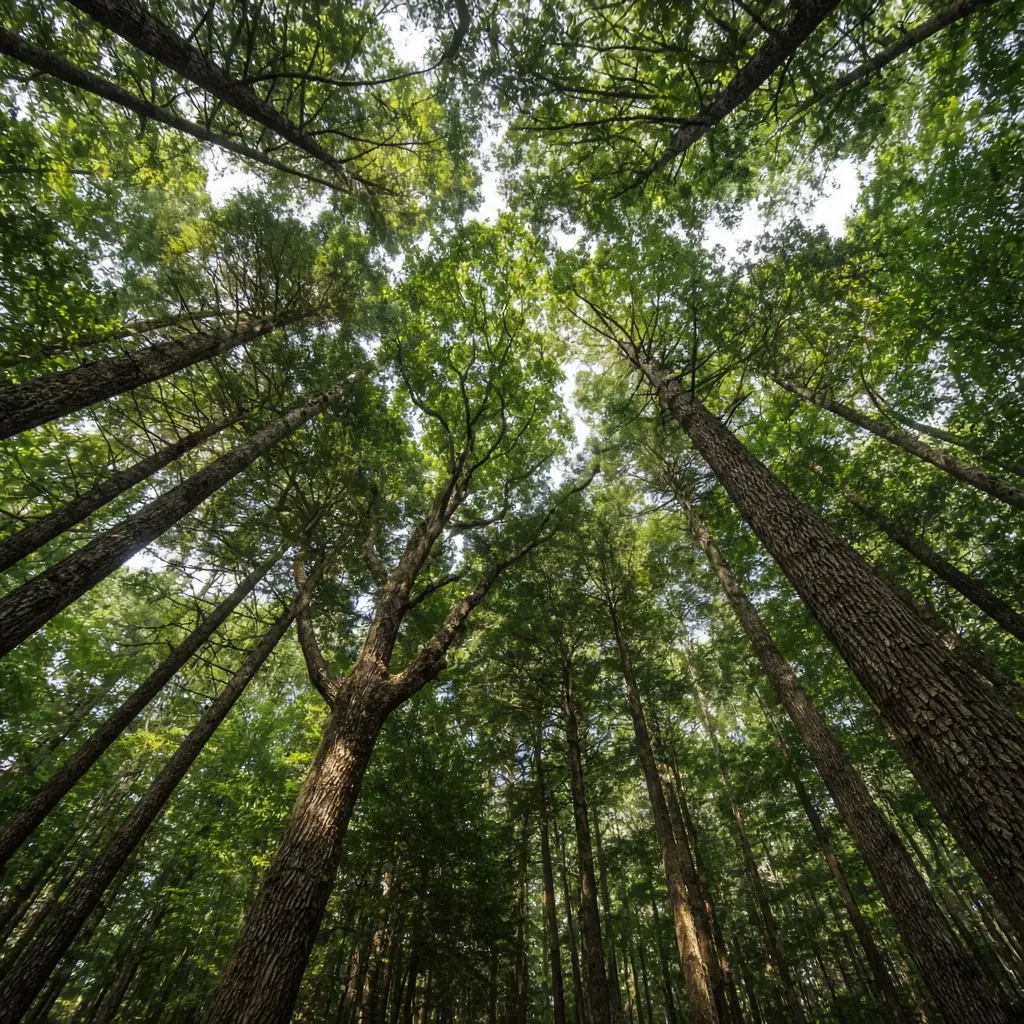
More CO2 makes trees grow faster
A study of US forests links rising CO2 to greater wood volume.