An AI-agent lab that runs DNA experiments on its own
AutoDNA, in Shanghai, designs and executes molecular experiments with minimal human intervention.
A natural-language prompt. Robotic arms. More than eleven thousand steps. That is how a nearly hands-free laboratory works.

Researchers at Shanghai Jiao Tong University and collaborators introduced AutoDNA, an AI-native biomolecular engineering laboratory. The work was published on November 4, 2026 in Nature. Unlike systems that only automate one slice of a protocol, a team of AI agents plans the experiment, generates control code, orchestrates more than 20 kinds of instruments and analyzes the results.
In tests, AutoDNA matched expert-optimized enzymatic DNA synthesis yields, with an average single-step yield of 97.8%. It sped up concurrent workflows about 3.2 times. It completed an end-to-end DNA data-storage cycle: it encoded a digital message, synthesized and sequenced 78 strands and recovered the original content after about 203.5 hours and 11,382 hardware operations. It also identified and validated the KRAS G13D mutation in a clinical colorectal-cancer sample.
Human intervention was largely limited to restocking reagents and labware and disposing of waste. A commentary in the same issue notes that some hardware errors still need help, and that choosing tasks and configuring the physical platform remain human jobs. Even so, the system is a clear step toward "self-driving" molecular-biology labs.
Key facts
- Published in Nature on November 4, 2026.
- It coordinates more than 20 types of instruments.
- The DNA data-storage run took 11,382 hardware steps.
- It detected the KRAS G13D mutation in a clinical sample.
AutoDNA points toward science-as-a-service, where requesting an experiment is almost like requesting a calculation.
Futurismo newsletter
Get the most futuristic stories in your inbox. Free.
By subscribing you agree to receive emails from Futurismo and our privacy policy. Unsubscribe anytime.Related stories
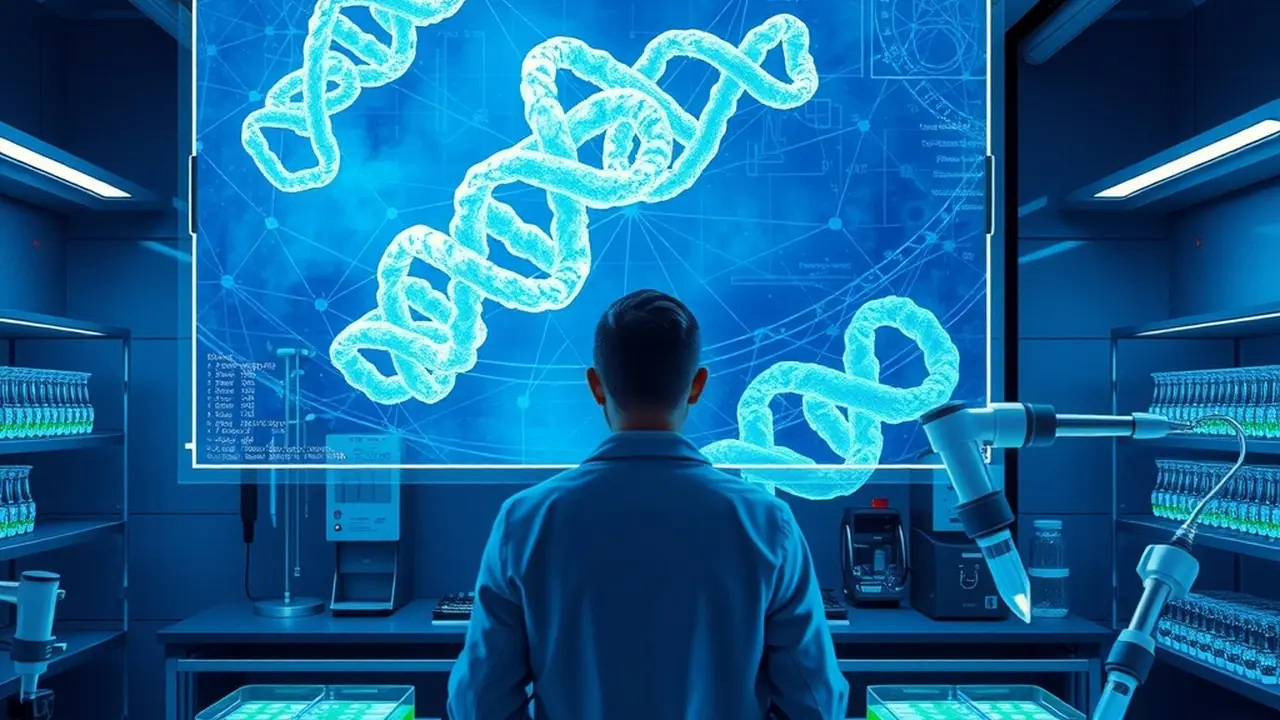
An AI designs proteins from a simple text description
The Pinal model turns a sentence into a candidate protein, although its hit rate is still uneven.
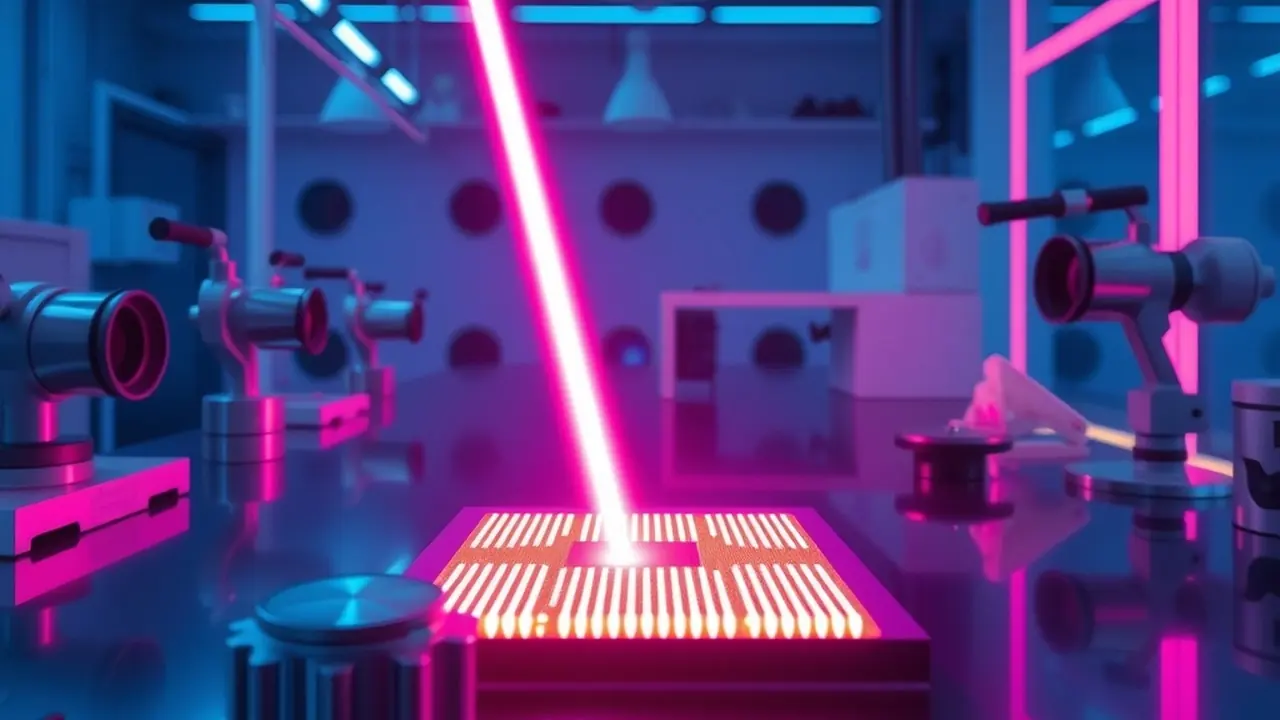
Scientists create a supersolid of light and matter at room temperature
A quantum state that flows like a liquid and orders itself like a crystal, with no need for extreme cold.
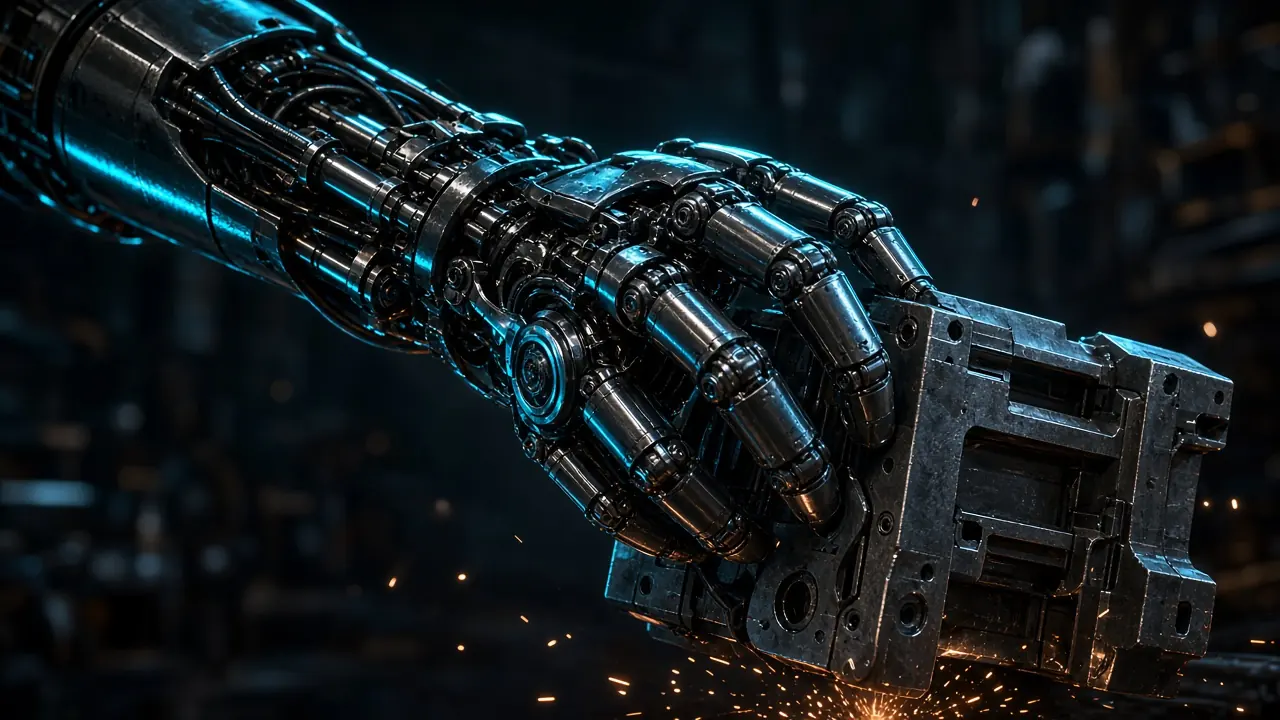
Neo1: the giant humanoid robot for dangerous jobs
It stands 4 meters tall, weighs 1.2 tonnes and was designed for ports, mines and nuclear plants.
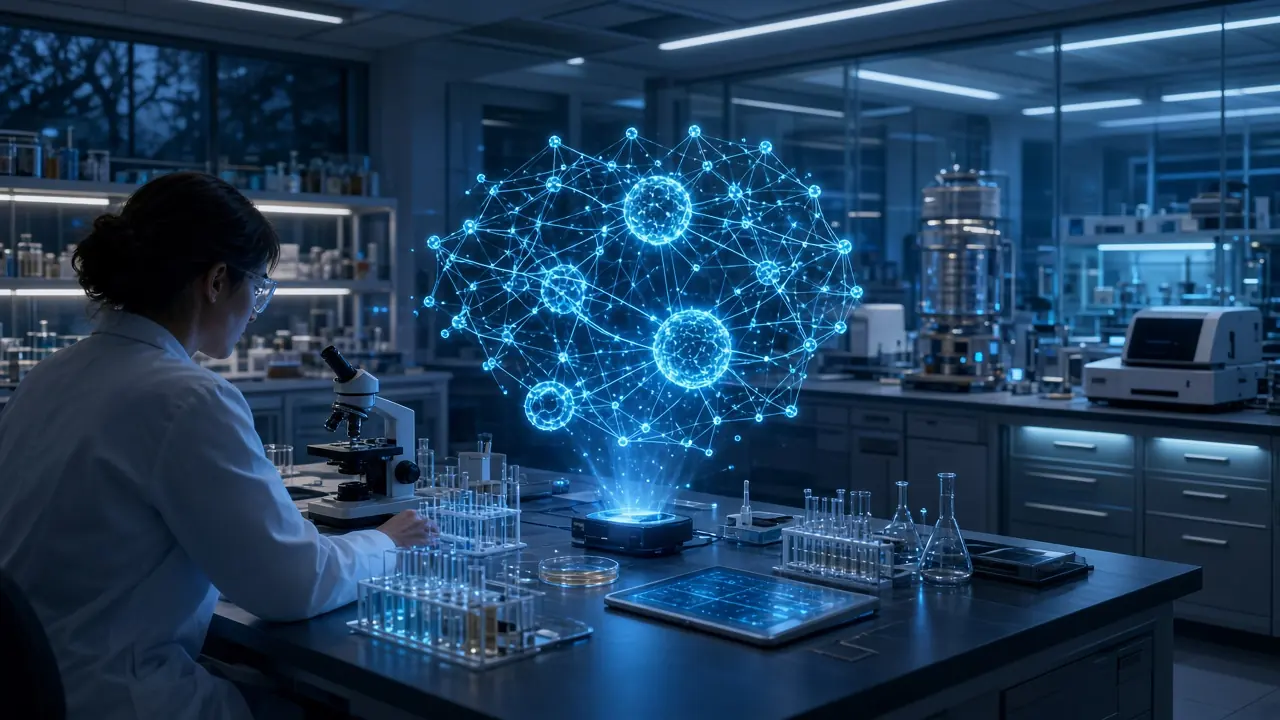
Scientists turn colon cancer cells into near-normal cells
A KAIST team managed to "reverse" cancer in the lab without killing the cells.