More CO2 makes trees grow faster
A study of US forests links rising CO2 to greater wood volume.
Rising carbon dioxide in the atmosphere has an unexpected effect: US forests are accumulating more wood.
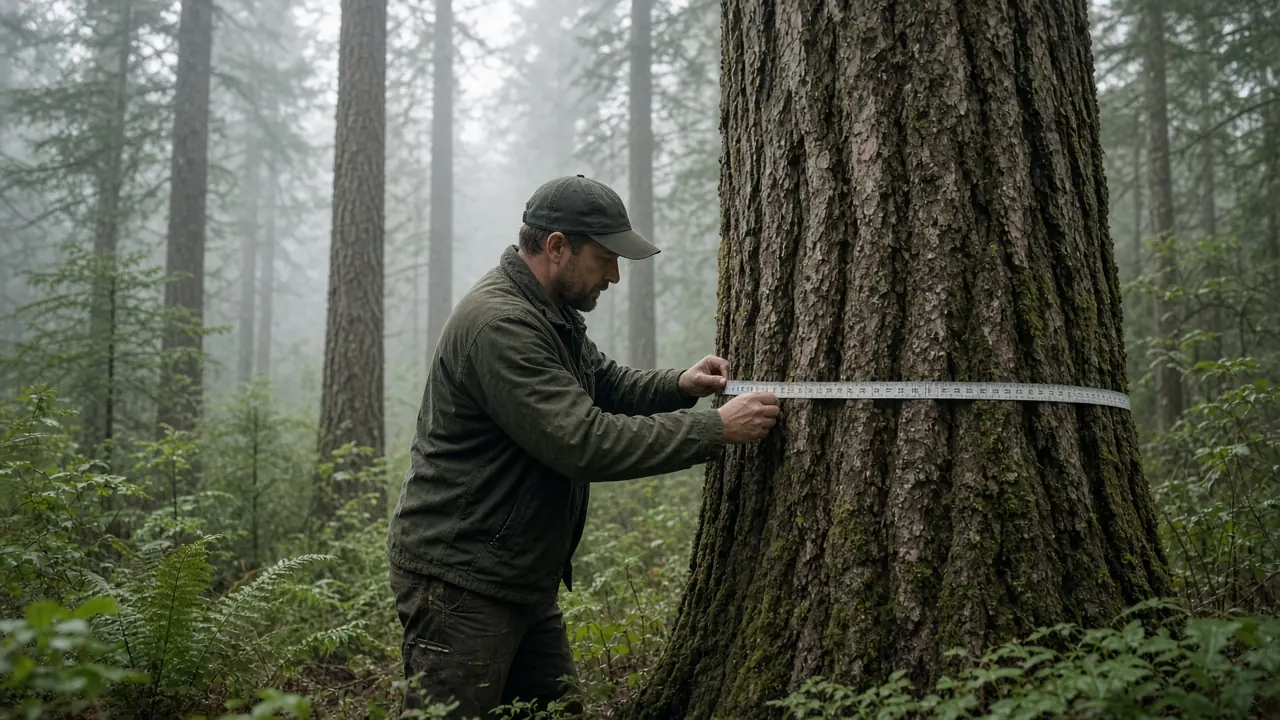
A study published in Nature Communications in 2022 analyzed US forest inventory data from 1970 to 2015 to measure the so-called CO2 fertilization effect: the idea that more carbon dioxide boosts photosynthesis and plant growth.
The researchers studied ten forest groups and concluded that the rise in CO2 over that period was associated with a 12.3% increase in wood volume, after accounting for other factors such as climate.
The result suggests forests may absorb more carbon than thought. But it does not mean more CO2 is good overall: its effects on global warming, droughts and wildfires remain serious, and fertilization could weaken over time.
The authors, Eric Davis, Brent Sohngen and David Lewis, used plots from the US Forest Service's Forest Inventory. They compared naturally regenerated stands measured between 1968 and 1990 with others measured between 2000 and 2018, matched by age, density and climate, to separate the effect of CO2 from other factors. On average, each 1% increase in cumulative CO2 exposure translated into 1.15% more wood volume. By group, the increase at age 75 ranged from 9.9% in maple, beech and birch to 14.4% in white, red and jack pines.
Key facts
- US forest data from 1970 to 2015.
- Ten forest groups analyzed.
- 12.3% increase in wood volume.
- Published in Nature Communications in 2022.
- Each 1% more CO2 exposure equals 1.15% more wood, on average.
Understanding this effect will help improve projections of the carbon cycle and climate.
Futurismo newsletter
Get the most futuristic stories in your inbox. Free.
By subscribing you agree to receive emails from Futurismo and our privacy policy. Unsubscribe anytime.Related stories
Scientists turn colon cancer cells into near-normal cells
A KAIST team managed to "reverse" cancer in the lab without killing the cells.
The continents are drying at an alarming rate
A satellite-data study shows Earth has been losing freshwater since 2002.

"First and second sleep": how people slept before electric light
A historian proposed that sleeping in two stretches was common; today the idea is debated.
An AI-agent lab that runs DNA experiments on its own
AutoDNA, in Shanghai, designs and executes molecular experiments with minimal human intervention.